Collections
Disponibilité
Prix
Featured Product

-37%
Hot Sale 37% Off
Hot Sale 37% Off
Hot Sale 37% Off
Hot Sale 37% Off
Hot Sale 37% Off
Hot Sale 37% Off
Hot Sale 37% Off
Hot Sale 37% Off
Hot Sale 37% Off
Hot Sale 37% Off
Hot Sale 37% Off
Hot Sale 37% Off
Hot Sale 37% Off
Hot Sale 37% Off
Hot Sale 37% Off
Hot Sale 37% Off
Hot Sale 37% Off
Hot Sale 37% Off
Hot Sale 37% Off
Hot Sale 37% Off
Hot Sale 37% Off
Hot Sale 37% Off
Hot Sale 37% Off
Hot Sale 37% Off
Hot Sale 37% Off
-28%
Hot Sale 28% Off
Hot Sale 28% Off
Hot Sale 28% Off
Hot Sale 28% Off
Hot Sale 28% Off
Hot Sale 28% Off
Hot Sale 28% Off
Hot Sale 28% Off
Hot Sale 28% Off
Hot Sale 28% Off
Hot Sale 28% Off
Hot Sale 28% Off
Hot Sale 28% Off
Hot Sale 28% Off
Hot Sale 28% Off
Hot Sale 28% Off
Hot Sale 28% Off
Hot Sale 28% Off
Hot Sale 28% Off
Hot Sale 28% Off
Hot Sale 28% Off
Hot Sale 28% Off
Hot Sale 28% Off
Hot Sale 28% Off
Hot Sale 28% Off
-44%
Hot Sale 44% Off
Hot Sale 44% Off
Hot Sale 44% Off
Hot Sale 44% Off
Hot Sale 44% Off
Hot Sale 44% Off
Hot Sale 44% Off
Hot Sale 44% Off
Hot Sale 44% Off
Hot Sale 44% Off
Hot Sale 44% Off
Hot Sale 44% Off
Hot Sale 44% Off
Hot Sale 44% Off
Hot Sale 44% Off
Hot Sale 44% Off
Hot Sale 44% Off
Hot Sale 44% Off
Hot Sale 44% Off
Hot Sale 44% Off
Hot Sale 44% Off
Hot Sale 44% Off
Hot Sale 44% Off
Hot Sale 44% Off
Hot Sale 44% Off
-42%
Hot Sale 42% Off
Hot Sale 42% Off
Hot Sale 42% Off
Hot Sale 42% Off
Hot Sale 42% Off
Hot Sale 42% Off
Hot Sale 42% Off
Hot Sale 42% Off
Hot Sale 42% Off
Hot Sale 42% Off
Hot Sale 42% Off
Hot Sale 42% Off
Hot Sale 42% Off
Hot Sale 42% Off
Hot Sale 42% Off
Hot Sale 42% Off
Hot Sale 42% Off
Hot Sale 42% Off
Hot Sale 42% Off
Hot Sale 42% Off
Hot Sale 42% Off
Hot Sale 42% Off
Hot Sale 42% Off
Hot Sale 42% Off
Hot Sale 42% Off
-53%
Hot Sale 53% Off
Hot Sale 53% Off
Hot Sale 53% Off
Hot Sale 53% Off
Hot Sale 53% Off
Hot Sale 53% Off
Hot Sale 53% Off
Hot Sale 53% Off
Hot Sale 53% Off
Hot Sale 53% Off
Hot Sale 53% Off
Hot Sale 53% Off
Hot Sale 53% Off
Hot Sale 53% Off
Hot Sale 53% Off
Hot Sale 53% Off
Hot Sale 53% Off
Hot Sale 53% Off
Hot Sale 53% Off
Hot Sale 53% Off
Hot Sale 53% Off
Hot Sale 53% Off
Hot Sale 53% Off
Hot Sale 53% Off
Hot Sale 53% Off
-26%
Hot Sale 26% Off
Hot Sale 26% Off
Hot Sale 26% Off
Hot Sale 26% Off
Hot Sale 26% Off
Hot Sale 26% Off
Hot Sale 26% Off
Hot Sale 26% Off
Hot Sale 26% Off
Hot Sale 26% Off
Hot Sale 26% Off
Hot Sale 26% Off
Hot Sale 26% Off
Hot Sale 26% Off
Hot Sale 26% Off
Hot Sale 26% Off
Hot Sale 26% Off
Hot Sale 26% Off
Hot Sale 26% Off
Hot Sale 26% Off
Hot Sale 26% Off
Hot Sale 26% Off
Hot Sale 26% Off
Hot Sale 26% Off
Hot Sale 26% Off
-50%
Hot Sale 50% Off
Hot Sale 50% Off
Hot Sale 50% Off
Hot Sale 50% Off
Hot Sale 50% Off
Hot Sale 50% Off
Hot Sale 50% Off
Hot Sale 50% Off
Hot Sale 50% Off
Hot Sale 50% Off
Hot Sale 50% Off
Hot Sale 50% Off
Hot Sale 50% Off
Hot Sale 50% Off
Hot Sale 50% Off
Hot Sale 50% Off
Hot Sale 50% Off
Hot Sale 50% Off
Hot Sale 50% Off
Hot Sale 50% Off
Hot Sale 50% Off
Hot Sale 50% Off
Hot Sale 50% Off
Hot Sale 50% Off
Hot Sale 50% Off
-50%
Hot Sale 50% Off
Hot Sale 50% Off
Hot Sale 50% Off
Hot Sale 50% Off
Hot Sale 50% Off
Hot Sale 50% Off
Hot Sale 50% Off
Hot Sale 50% Off
Hot Sale 50% Off
Hot Sale 50% Off
Hot Sale 50% Off
Hot Sale 50% Off
Hot Sale 50% Off
Hot Sale 50% Off
Hot Sale 50% Off
Hot Sale 50% Off
Hot Sale 50% Off
Hot Sale 50% Off
Hot Sale 50% Off
Hot Sale 50% Off
Hot Sale 50% Off
Hot Sale 50% Off
Hot Sale 50% Off
Hot Sale 50% Off
Hot Sale 50% Off
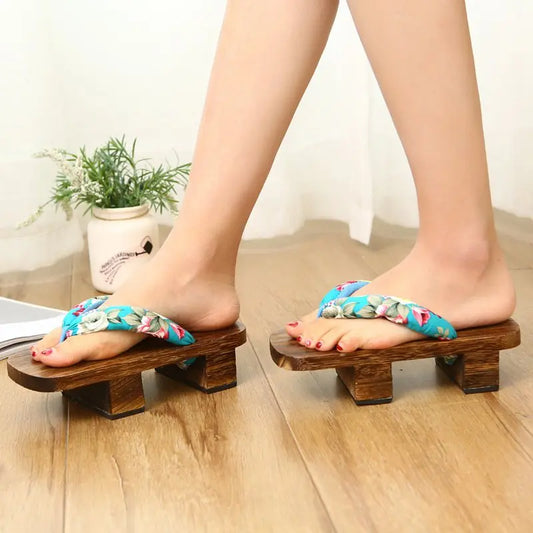
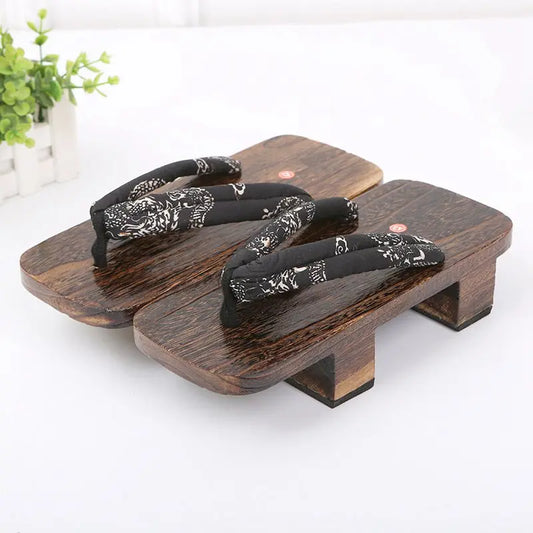
$39.99
Flower light blue
Flower red
Flower black
Flower navy
Pink
Black dragon
Black
Red
Round flower
White
Dragon navy
Dragon stripe
Black flower
-46%
Hot Sale 46% Off
Hot Sale 46% Off
Hot Sale 46% Off
Hot Sale 46% Off
Hot Sale 46% Off
Hot Sale 46% Off
Hot Sale 46% Off
Hot Sale 46% Off
Hot Sale 46% Off
Hot Sale 46% Off
Hot Sale 46% Off
Hot Sale 46% Off
Hot Sale 46% Off
Hot Sale 46% Off
Hot Sale 46% Off
Hot Sale 46% Off
Hot Sale 46% Off
Hot Sale 46% Off
Hot Sale 46% Off
Hot Sale 46% Off
Hot Sale 46% Off
Hot Sale 46% Off
Hot Sale 46% Off
Hot Sale 46% Off
Hot Sale 46% Off
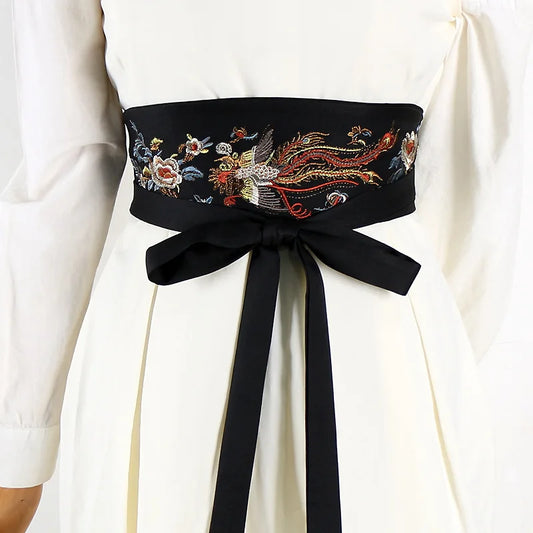
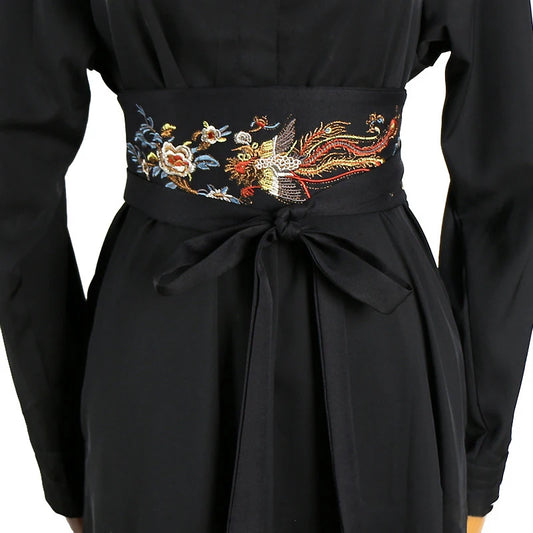
$14.99
$27.87
-52%
Hot Sale 52% Off
Hot Sale 52% Off
Hot Sale 52% Off
Hot Sale 52% Off
Hot Sale 52% Off
Hot Sale 52% Off
Hot Sale 52% Off
Hot Sale 52% Off
Hot Sale 52% Off
Hot Sale 52% Off
Hot Sale 52% Off
Hot Sale 52% Off
Hot Sale 52% Off
Hot Sale 52% Off
Hot Sale 52% Off
Hot Sale 52% Off
Hot Sale 52% Off
Hot Sale 52% Off
Hot Sale 52% Off
Hot Sale 52% Off
Hot Sale 52% Off
Hot Sale 52% Off
Hot Sale 52% Off
Hot Sale 52% Off
Hot Sale 52% Off

-37%
Hot Sale 37% Off
Hot Sale 37% Off
Hot Sale 37% Off
Hot Sale 37% Off
Hot Sale 37% Off
Hot Sale 37% Off
Hot Sale 37% Off
Hot Sale 37% Off
Hot Sale 37% Off
Hot Sale 37% Off
Hot Sale 37% Off
Hot Sale 37% Off
Hot Sale 37% Off
Hot Sale 37% Off
Hot Sale 37% Off
Hot Sale 37% Off
Hot Sale 37% Off
Hot Sale 37% Off
Hot Sale 37% Off
Hot Sale 37% Off
Hot Sale 37% Off
Hot Sale 37% Off
Hot Sale 37% Off
Hot Sale 37% Off
Hot Sale 37% Off
帯
Kimono Sash & Obi Belt Collection
Kimono Sash — The Art of the Japanese Obi
Traditional obi sash belts to complete your kimono or yukata — cotton, silk, satin & embroidered styles for women and men.
✓ Free Shipping $100+
✓ Ships from US
✓ 10-Day Returns
★ 4.8/5 · 2,000+ Customers
🔒 Secure Checkout
🚚 Fast US Delivery 10–25 Days
↩ Easy 10-Day Returns
🎌 Japanese-Inspired Design
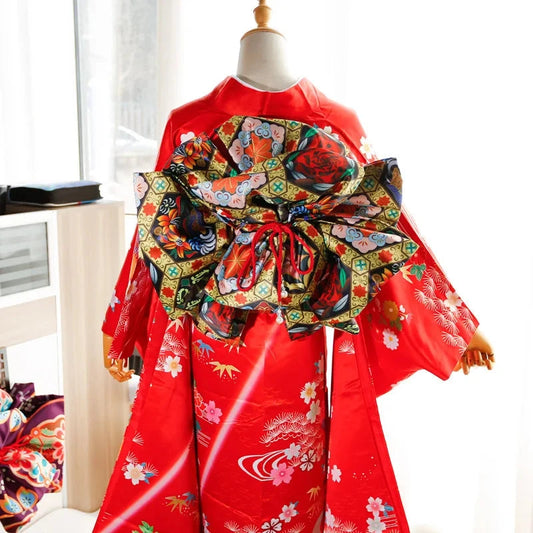
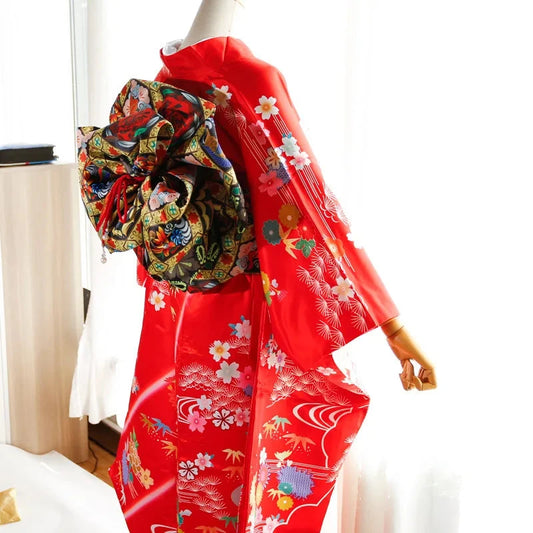
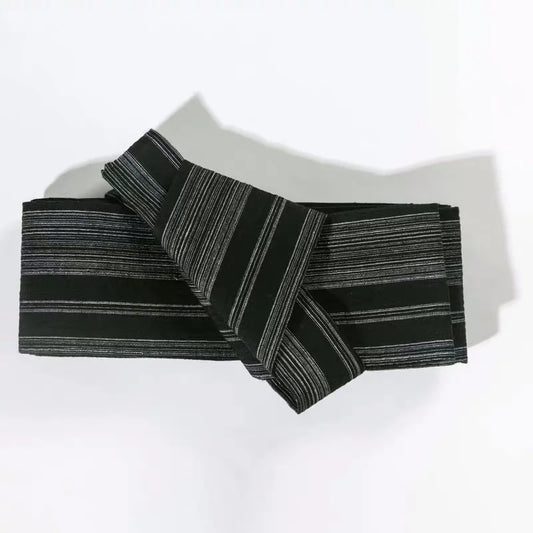
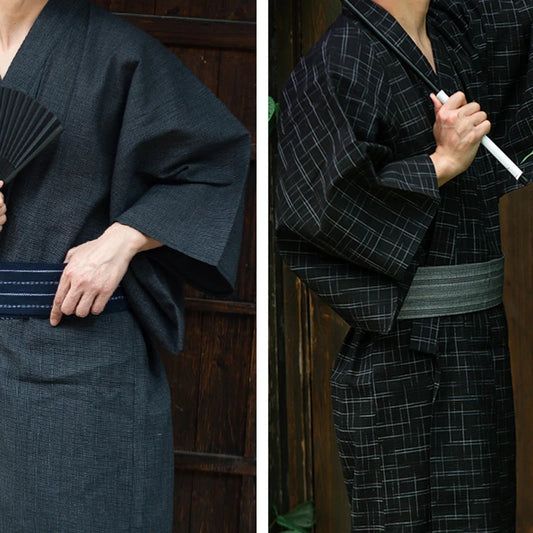
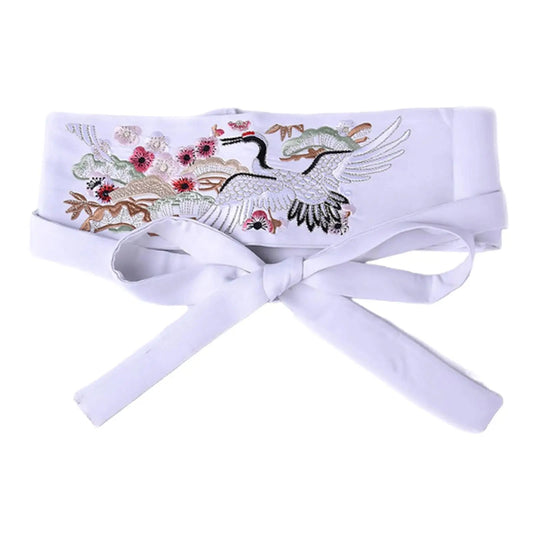
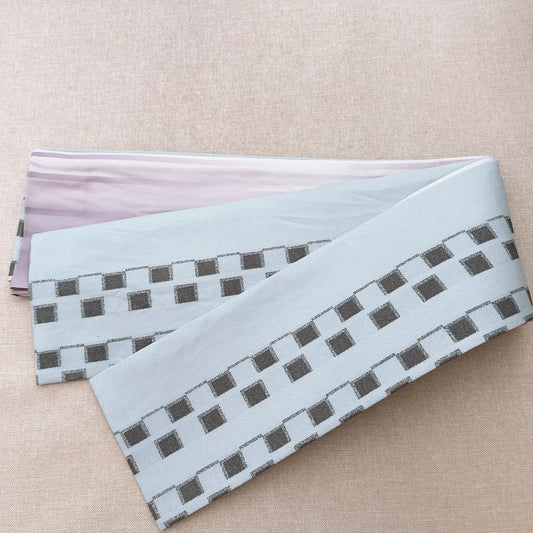
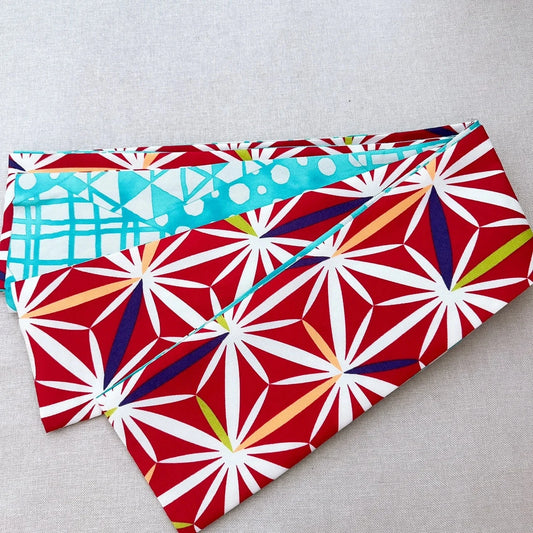
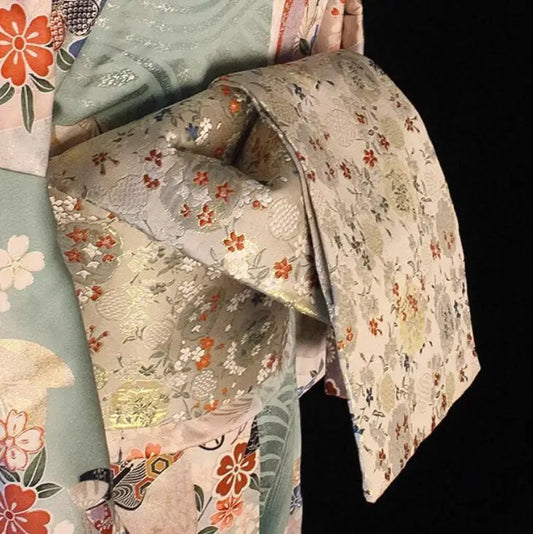
A kimono sash — called an obi (帯) in Japanese — is the wide decorative belt worn around the waist to secure and style a kimono or yukata. It is tied in various knots indicating formality, gender, and occasion: women tie the obi in a front bow, men in a back knot. Obi belts come in cotton (casual/yukata), satin (fashion), and woven silk (formal). Our collection includes traditional obi sashes, modern wide belts, and narrow hanhaba styles for every kimono occasion.
Browse by Style
Every Kimono Sash Style
🌸
Floral Obi Sash
Cherry blossom and botanical prints — feminine, traditional, and elegantly Japanese.
⚫Solid Black Obi
Classic black sash belt — the most versatile obi for any kimono color or style.
🦻Gold & Embroidered
Gold thread embroidered obi for formal occasions — ceremonial and bridal styling.
🔴Red Obi Belt
Bold red sash — passion, celebration, and the most festive Japanese belt color.
✨Satin Wide Belt
Smooth satin obi in solid tones — the most photogenic fashion sash for modern wear.
🌿Cotton Hanhaba Obi
Narrow half-width cotton sash for yukata — the authentic festival belt style.
Traditional Obi Styles Explained
How to Tie
How to Tie a Kimono Sash — Step by Step
Wrap Left Over Right First
Before tying the obi, make sure your kimono is wrapped correctly — left side over right. This is the most important rule. Right over left is reserved for funeral dress in Japan.
Position at Natural Waist
Hold the sash at your center back with a short tail on one side (about 30cm). The sash should sit at your natural waist — not the hips — for the most flattering silhouette.
Wrap Twice Around
Bring both ends around your waist to the front, wrapping twice for a secure, smooth hold. Keep the sash flat and unwrinkled as you wrap.
Tie and Position the Bow
Cross the longer end over the shorter, fold up, and thread through to create a bow. Women: bow at center front. Men: knot tied at center back. Read our full obi tying guide.
Obi Symbolism
The Meaning of Obi Belt Colors
Black Obi
Elegance, formality, and quiet power. The most versatile obi — pairs beautifully with any kimono color.
Gold Obi
Wealth, prosperity, and celebration. Worn at weddings, Coming-of-Age ceremonies, and the most formal occasions.
Red Obi
Passion, youth, and festive energy. The most celebratory sash color — perfect for summer festivals.
White Obi
Purity and new beginnings. The bridal obi — worn with white or blush kimono robes for wedding mornings.
Blue & Indigo
Calm, tradition, and depth. Historically the most common obi color — worn with cotton yukata for festivals.
Purple Obi
Nobility and refinement. Purple is the imperial color of Japan — an obi in purple carries the highest cultural status.
Pairings
Complete Your Kimono Look
FAQ
Kimono Sash — Questions Answered
What is a kimono sash called in Japanese?
A kimono sash is called an obi (帯) in Japanese. Types include: fukuro obi (formal, wide), nagoya obi (semi-formal, most commonly worn), hanhaba obi (half-width, for yukata), and kaku obi (men's stiff belt). For modern Western kimono robes, a simple cotton or satin sash tie is most common. Read our full kimono sash guide.
How do you tie a kimono sash?
Wrap the sash around your waist twice from center back, cross the ends at the front, fold the longer end up and thread through to create a bow. Women tie the bow at center front; men tie the knot at center back. The sash sits at the natural waist, not the hips. Read our complete step-by-step tying guide.
What width kimono sash should I choose?
Traditional obi are 30cm wide for women, 10cm for men. Modern kimono robe sashes range from 5–15cm wide. Wider sashes create a more dramatic, fashion-forward look and are ideal for formal occasions. Narrow hanhaba obi (15cm) are the authentic choice for yukata at summer festivals.
Can I wear a kimono sash as a fashion belt?
Yes — a wide obi sash worn over a dress, blouse, or blazer is a genuine Western fashion styling technique. It adds Japanese-inspired structure and a defined waist to any silhouette. Satin obi belts in black or gold are especially popular as fashion accessories outside of traditional kimono wear.
Do you ship kimono sashes to the US?
Yes — free US shipping on all orders over $100. We ship to all 50 states in 10–25 days. Easy 10-day returns with no questions asked. Contact us anytime for help with your order.
Kimono Sash (Obi Belt) — Traditional Japanese Sashes for Women & Men
Our kimono sash collection is the most complete selection of Japanese obi belts in the United States. From traditional cotton hanhaba obi for yukata and summer festivals to luxurious gold embroidered sashes for formal occasions, elegant satin wide belts for modern fashion, and classic solid obi in black, red, and white — every kimono sash in our collection completes a Japanese look with authentic cultural depth.
The History of the Obi Belt in Japanese Fashion
The obi has been part of Japanese kimono dress since at least the Nara period (710–794 AD), when simple cords tied the kimono at the waist. By the Edo period (1603–1868), the obi had transformed into the elaborate, wide sash we recognize today — a statement of status, artistry, and cultural identity. The most prized obi were woven in Kyoto's Nishijin district from silk threads with gold and silver weft, taking months to produce. Today, the obi remains the most distinctive element of Japanese kimono dress — the accessory that transforms a simple robe into a complete cultural statement. Read our full guide: What is a Kimono Sash?
The Obi in Modern Western Fashion
Beyond traditional kimono wear, the wide obi belt has found a devoted following in Western fashion as a statement waist accessory. Worn over a blazer, dress, or blouse, an obi belt adds Japanese-inspired structure and visual drama to any outfit. Our obi tying guide covers both traditional Japanese tying techniques and modern Western styling methods. Pair with any piece from our women's kimono collection or Japanese yukata range for the complete look. Free US shipping on orders over $100. Contact our team for any help.