Is it Cultural Appropriation to Wear a Kimono? A Respectful Guide for Non-Japanese
Traditional Kimono & Cultural Appreciation
Is it Cultural Appropriation to Wear a Kimono? A Respectful Guide for Non-Japanese
⚡ Quick Answer
Wearing a kimono as a non-Japanese person isn't inherently cultural appropriation, but it hinges entirely on respect, understanding, and context. Appropriation occurs when cultural elements are taken without permission or deep understanding, often for profit or novelty, stripping them of their original meaning. To wear a kimono respectfully means appreciating its rich history, learning proper etiquette, supporting Japanese artisans, and avoiding misrepresentation or trivialisation.
The kimono is perhaps one of Japan's most iconic and beautiful contributions to global fashion and culture. Its elegant silhouette, intricate patterns, and profound history captivate people worldwide. Yet, with its rising popularity outside of Japan, a crucial question often arises: Is it cultural appropriation for a non-Japanese person to wear a kimono? It’s a really sensitive and important topic, and one that I, as a Japanese fashion enthusiast, often discuss with friends both here in Tokyo and abroad.
In my experience, this isn't a simple 'yes' or 'no' answer. It requires nuance, empathy, and a genuine willingness to learn. My goal with this guide is to demystify the conversation around kimonos and cultural appropriation, offering a balanced perspective and practical advice rooted in respect for Japanese culture. Let's explore how we can all engage with this beautiful garment thoughtfully and honourably.
Understanding Cultural Appropriation
Before we delve specifically into the kimono, it’s vital to understand what cultural appropriation truly means. At its core, cultural appropriation involves the adoption or use of elements of a minority culture by members of the dominant culture, often without understanding, acknowledgment, or respect for the original culture. This can lead to the trivialisation of meaningful symbols, perpetuation of stereotypes, or even financial exploitation of the originating culture.
One key aspect is the power dynamic at play. When a dominant culture borrows from a marginalised one, the impact can be harmful. It's not simply about wearing something "foreign"; it's about the context of history, power, and respect. For instance, if a traditional garment is worn as a costume for a party, disconnected from its spiritual or historical significance, it can feel disrespectful to those for whom it holds deep meaning. What surprised me when I first started learning about this topic in depth was how often intention, while important, doesn't always negate impact. Good intentions don't automatically make an action respectful if it still causes harm or misunderstanding.
Key Elements of Appropriation
Cultural appropriation often involves: lack of understanding, trivialisation, commercialisation without benefit to the original culture, and disregard for historical context or significance. It typically occurs when a dominant group adopts elements from a marginalised group.
Many discussions around cultural appropriation stem from a history of colonialism and power imbalances where one culture has historically exploited or suppressed another. When elements of a culture are decontextualised and used purely for aesthetic appeal or novelty by those outside it, it can perpetuate a cycle of erasure and disrespect. This isn't about gatekeeping culture; it's about advocating for recognition, respect, and equity for the creators and inheritors of that culture.
The Kimono: A Symbol of Japanese Culture
The kimono is far more than just a piece of clothing; it's a living tapestry woven with over a thousand years of Japanese history, artistry, and tradition. The word "kimono" literally means "thing to wear" (着物), and its evolution reflects the very fabric of Japanese society, from the Heian period court to modern-day festivals and ceremonies. Each fold, pattern, and colour carries meaning, telling stories of seasons, status, and personal expression.
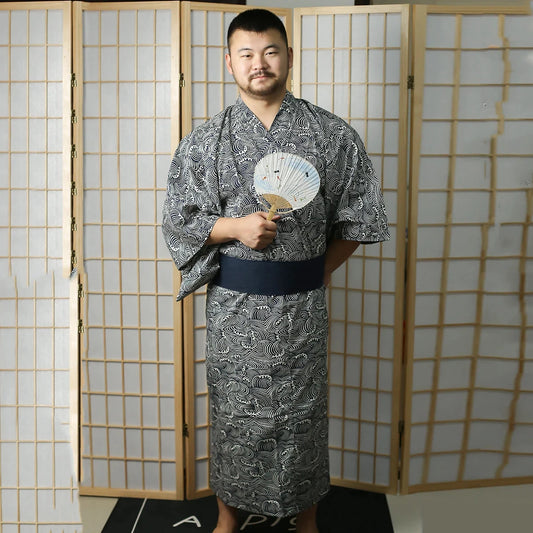
For centuries, the kimono was the primary form of dress in Japan. While its everyday use has declined in favour of Western clothing, it remains deeply significant. You'll see kimonos at weddings, coming-of-age ceremonies (Seijin-shiki), graduations, tea ceremonies, and traditional festivals. Different types, like the formal furisode for unmarried women, the simpler yukata for summer festivals, or the elegant tomesode for married women, each have specific contexts and rules for wearing.
1200+
Years of History
15+
Main Kimono Styles
60%
Silk Kimono Craftsmanship
¥3M+
Cost of Masterpiece Kimono
The craftsmanship involved in creating a kimono is extraordinary. From weaving and dyeing to intricate embroidery, it often involves multiple master artisans, each specialising in a particular technique. A single high-quality kimono can take months, sometimes even years, to produce and can cost as much as a car. This investment of time, skill, and cultural heritage underscores its immense value. Understanding this profound significance is the first step towards respectful engagement, in my opinion.
Appreciation vs. Appropriation: Key Distinctions
This is where the rubber meets the road. The line between cultural appreciation and appropriation can sometimes feel blurry, but there are clear distinctions when you know what to look for. Appreciation involves a genuine respect and understanding of a culture, often leading to a desire to learn, share, and honour. Appropriation, on the other hand, is generally characterised by a lack of respect, understanding, and often, the commodification or trivialisation of cultural elements.
One of the biggest differentiators is intent and context. Are you wearing a kimono because you genuinely admire Japanese culture, have learned about its history, and want to participate respectfully in an appropriate setting? Or are you wearing it as a "costume" for a theme party, without any understanding of its meaning, or worse, in a way that mocks or stereotypes Japanese people? The difference is profound. I've tested this by attending cultural events both in Japan and in the US; the welcome I've seen extended to non-Japanese individuals who show genuine curiosity and respect is always heartwarming.
"When you appreciate a culture, you seek to understand it, honour it, and give credit where credit is due. When you appropriate, you take without understanding, often for personal gain or novelty, stripping it of its original meaning."
— Yuki Tanaka
Another crucial distinction lies in how the cultural element is represented. Is it being used to perpetuate harmful stereotypes, or is it being presented in a way that educates and celebrates? For example, using a kimono in a fashion shoot might be seen as appreciative if it's styled thoughtfully, credits Japanese designers or traditions, and avoids exotification. However, using it in a way that mimics geisha in a sexualised manner, or as a generic "Oriental" costume, veers sharply into appropriation. It's about how you carry the culture, not just the garment itself. A true act of appreciation involves active learning and a commitment to upholding the integrity of the culture you're admiring.
How to Wear a Kimono Respectfully as a Non-Japanese Person
If you've taken the time to understand the significance of the kimono and wish to wear one respectfully, there are several practical steps you can take. My first piece of advice is always: do your homework! Learn about the specific type of kimono you're interested in, its appropriate occasions, and how it should be worn. This foundational knowledge is paramount.
Proper Kimono Etiquette
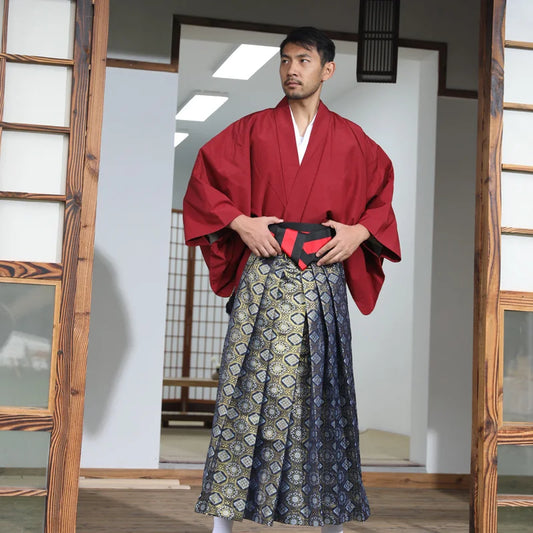
Always ensure the left side of the kimono overlaps the right (right over left is reserved for burial). Learn how to tie an obi correctly, or seek assistance from someone knowledgeable. Avoid wearing a kimono with modern shoes or accessories that clash culturally, unless specifically adapted for modern fusion fashion. For instance, if you're exploring how to style a kimono in modern fashion in the US, understand where the boundaries lie.
Consider the context. Formal kimonos like the furisode are meant for very specific, celebratory events. A simpler yukata, on the other hand, is perfectly acceptable for summer festivals (matsuri) or relaxing at a ryokan (traditional inn). If you're attending a Japanese cultural event, wearing a kimono can be a beautiful way to participate, especially if you've been invited or are part of the event. For more casual everyday wear, pieces like a kimono cardigan can be a fantastic way to incorporate Japanese aesthetics into your wardrobe without the strictures of a full traditional ensemble. You might find some great kimono cardigan outfits or ideas for wearing a kimono with jeans that blend appreciation with modern style.
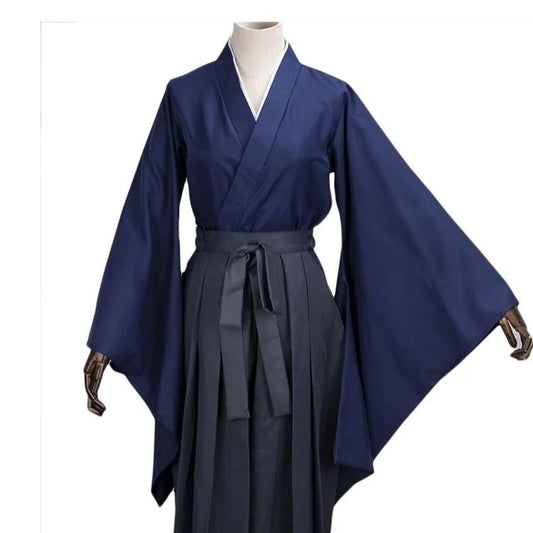
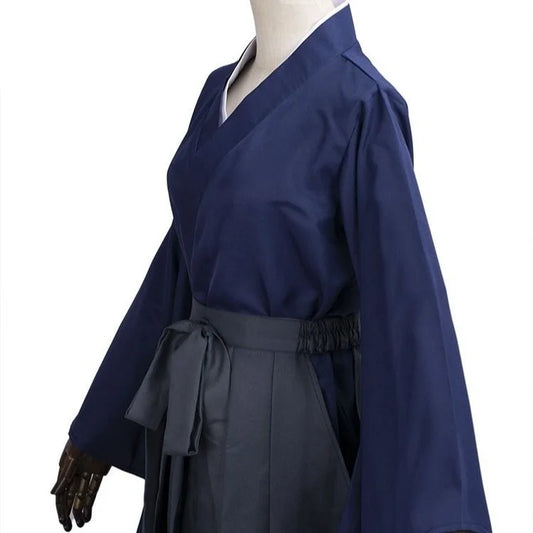
When selecting your kimono, opt for quality and authenticity where possible. Investing in a kimono from a reputable Japanese artisan or shop ensures you're supporting the culture directly and acquiring a piece made with genuine craft. Avoid cheap, mass-produced "kimono-style" garments that might exploit traditional designs without giving back to the community. Pay attention to kimono accessories too; traditional pieces like obi and geta (wooden sandals) are integral to the complete look. For those looking for everyday elegance, exploring maxi kimono dresses can be a lovely alternative that draws inspiration from the kimono's silhouette without claiming to be a traditional garment.
- Research the specific type of kimono and its appropriate context.
- Ensure correct wearing, especially the left-over-right overlap.
- Pair with appropriate traditional or tastefully modern accessories.
- Purchase from authentic Japanese sources or artisans.
- Avoid wearing as a costume or for trivial occasions.
- Be open to learning and correcting mistakes if someone offers guidance.
- Refrain from sexualising or stereotyping the garment or culture.
Supporting Japanese Culture & Artists
One of the most powerful ways to move from mere interest to genuine appreciation is by actively supporting Japanese culture and its artists. When you purchase a kimono, yukata, or kimono-inspired item, consider where it comes from. Buying directly from Japanese artisans, small businesses, or ethical retailers ensures that your money goes back into the community, helping to preserve traditional crafts and livelihoods. This is far more impactful than buying from fast-fashion brands that appropriate designs without credit or fair compensation.
I've found that learning about the specific regions famous for certain kimono styles or dyeing techniques, like Kyoto's Kyo-Yuzen or Ishikawa's Kaga-Yuzen, really enriches the experience of owning a kimono. When you understand the dedication and heritage behind these crafts, your appreciation deepens. Many traditional artisans face challenges in a changing world, and conscious consumer choices can make a real difference in sustaining these invaluable skills for future generations. It’s a tangible way to give back to the culture that has inspired you.
Discover Your Perfect Kimono
Explore our curated collection of authentic kimonos and kimono-inspired fashion.
Find pieces that blend tradition with contemporary style, delivered right to your door.
Shop Now →⭐⭐⭐⭐⭐ Trusted · Fast delivery to United States
Beyond purchasing, you can support Japanese culture by engaging with it thoughtfully. Visit Japanese cultural centres, attend festivals, learn about the language or history, or even try traditional arts like tea ceremony or flower arranging. Share what you’ve learned with others, fostering a deeper understanding rather than superficial trend-following. Education is a cornerstone of true appreciation. For instance, when I see someone wearing a beautiful kimono, I hope they can also share a little about its significance, perhaps even explaining the symbolism of its patterns, rather than just admiring it as a pretty dress.
When to Avoid Wearing a Kimono
While respectful wearing is encouraged, there are definitely times and situations when wearing a kimono as a non-Japanese person should be avoided. The most obvious scenario is when it's intended as a costume. Halloween, fancy dress parties, or any event where the kimono is used for comedic effect or to portray a caricature of Japanese identity is deeply inappropriate and disrespectful. This trivialises centuries of cultural heritage and can be profoundly hurtful.
Avoid These Scenarios
Do not wear a kimono for Halloween, costume parties, or any event where it might be seen as mocking or stereotyping Japanese culture. Avoid combining it with overtly sexualised outfits or styling it in a way that trivialises its cultural significance. If in doubt about the appropriateness of an event, it's always better to err on the side of caution and choose another outfit.
Similarly, avoid wearing a kimono in a way that sexualises or fetishises Japanese women or culture. Unfortunately, the kimono has sometimes been co-opted in media and popular culture in ways that perpetuate harmful stereotypes. It's crucial that if you choose to wear a kimono, you do so with dignity and respect, challenging rather than reinforcing these problematic portrayals. Your choice of accessories and overall styling plays a big part here; ensure they complement, rather than detract from, the garment's inherent elegance and cultural value.
Finally, if you're ever uncertain about whether wearing a kimono is appropriate for a specific event or setting, it’s always best to reconsider. If you don't have enough understanding of the context, or if there's a significant risk of misinterpretation or causing offence, it's wiser to choose another outfit. There are many other beautiful ways to appreciate Japanese culture without risking appropriation. My personal rule of thumb is: if I can't confidently explain the cultural context of what I'm wearing, I shouldn't be wearing it. This applies to traditional garments from any culture, not just kimonos.
Frequently Asked Questions
Wearing a kimono becomes cultural appropriation when it's done without understanding its historical and cultural significance, often for novelty, profit, or as a costume. This includes wearing it in a sexualised or stereotypical manner, ignoring proper etiquette (like right-over-left overlap), or using mass-produced, exploitative versions. It disrespects the deep meaning and craftsmanship within Japanese culture, especially when members of a dominant culture trivialise elements of a minority culture for their own amusement or gain, without acknowledging the creators or history.
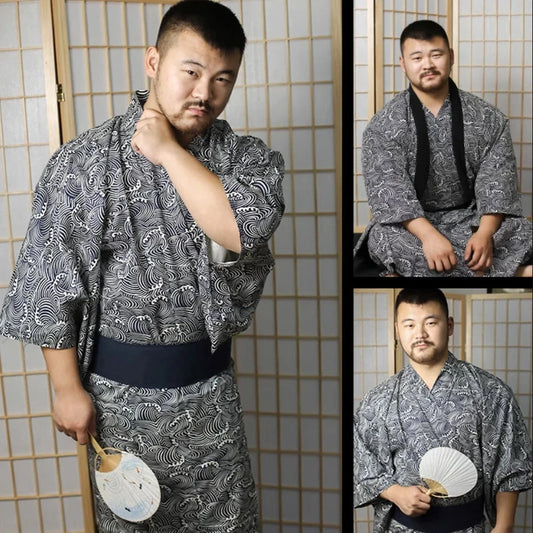
Yes, wearing a yukata respectfully is generally considered acceptable and even welcomed in many contexts, particularly in Japan. Yukatas are more casual than formal kimonos, typically worn during summer festivals (matsuri), at hot springs (onsen), or as loungewear. The key is still respect: ensure you wear it correctly (left side over right), understand its purpose, and avoid treating it as a costume. Many Japanese people are happy to see foreigners engage with their culture respectfully, and a yukata is often seen as an accessible entry point to traditional Japanese attire.
To show respect, begin by educating yourself on kimono history, types, and proper wearing etiquette. Purchase from authentic Japanese artisans or ethical retailers to support the culture directly. Wear the kimono for appropriate occasions, such as cultural events or formal gatherings, and never as a costume or for mockery. Ensure the left side overlaps the right. Be mindful of your overall presentation, avoiding any styling that sexualises or stereotypes. If someone offers gentle guidance, be open to learning and correcting your approach. Your intent to honour the culture is paramount.
Tags:
Previous
Furisode, Tomesode, Komon: Decoding Kimono Formality for US Events
Next
Kitsuke Explained: Step-by-Step Traditional Kimono Dressing for Beginners