Obi Belts & Accessories: Mastering the Art of Traditional Kimono Styling
Traditional Kimono & Cultural Appreciation
Obi Belts & Accessories: Mastering the Art of Traditional Kimono Styling
⚡ Quick Answer
Traditional kimono accessories are indispensable elements that complete a kimono ensemble, extending far beyond the main garment itself. These include the decorative obi belt, the silk obijime cord, the obiage scarf, and traditional footwear like tabi socks, geta, and zori sandals. Each accessory serves both a functional purpose in securing the kimono and an aesthetic role, enhancing the overall beauty and formality of the outfit, crucial for proper kitsuke.
Beyond the Kimono: Essential Accessories
When you picture a kimono, your mind probably jumps straight to that gorgeous, flowing garment. But in my experience, what truly brings a kimono to life, transforming it from a simple robe into a sophisticated ensemble, are the accessories. Think of it like a beautiful canvas waiting for the right colours and textures to make it sing. Without these crucial components, often referred to collectively as komono, a traditional kimono outfit simply isn't complete, nor would it stay on properly!
The art of dressing in kimono, known as kitsuke, is a meticulous process that involves many layers and careful adjustments. It’s not just about draping fabric; it’s about creating a perfect silhouette, ensuring comfort, and expressing personal style within traditional bounds. Each accessory plays a vital role, from shaping the garment to adding decorative flair, making them just as important as the kimono itself. Over the years, I've seen countless beginners underestimate the sheer number of items involved, only to be pleasantly surprised by the intricate beauty of the final look.
For instance, the undergarments like hadajuban and nagajuban form the foundation, creating a smooth layer against the skin and protecting the outer kimono. Then come the various ties and padding, such as koshihimo and datejime, which hold everything securely in place. These aren’t just hidden necessities; they dictate the comfort and the elegant, cylindrical shape that is characteristic of traditional kimono styling. Getting these right is fundamental, and it’s often where newcomers stumble first.
What surprised me when I first delved deeper into kitsuke was how much subtle artistry goes into even the hidden accessories. The way an outer kimono sits, for example, is heavily influenced by how the inner layers are adjusted and secured. It's a testament to centuries of refined dressing techniques, ensuring that the wearer looks graceful and composed, whether they're attending a tea ceremony or a festive celebration. It's truly a full-body art form.
The Term 'Komono'
In Japanese, 'komono' (小物) literally means 'small things' or 'accessories'. In the context of kimono, it refers to all the intricate items needed to properly wear a kimono, from belts and cords to footwear and decorative pins. Mastering komono is key to mastering kitsuke.
The Obi: Heart of the Kimono Ensemble
If the kimono is the soul of Japanese traditional fashion, the obi is undeniably its beating heart. This broad sash, meticulously wrapped and tied, doesn't just hold the kimono closed; it's often the most eye-catching element, dictating the formality and overall aesthetic of the outfit. I've always found the sheer variety of obi to be astounding, each with its own history, materials, and specific occasions for wear.
The most formal type is the Fukuro Obi, often made from silk, reaching lengths of up to 4.2 metres and widths of 31 cm. It's typically woven with elaborate designs, often metallic threads, and is reversible or features patterns on about 60% of its length. These are reserved for formal occasions like weddings or coming-of-age ceremonies, and tying them requires considerable skill to create those magnificent back bows, known as musubi.
Then there's the Nagoya Obi, which I've found to be a fantastic bridge between formality and practicality. Shorter and partially pre-stitched, it's easier to tie than a Fukuro obi, making it a popular choice for everyday wear or less formal outings. It typically measures around 3.6 metres and is often patterned on one side, allowing for beautiful, artistic expressions without the weight and bulk of its more formal counterpart.
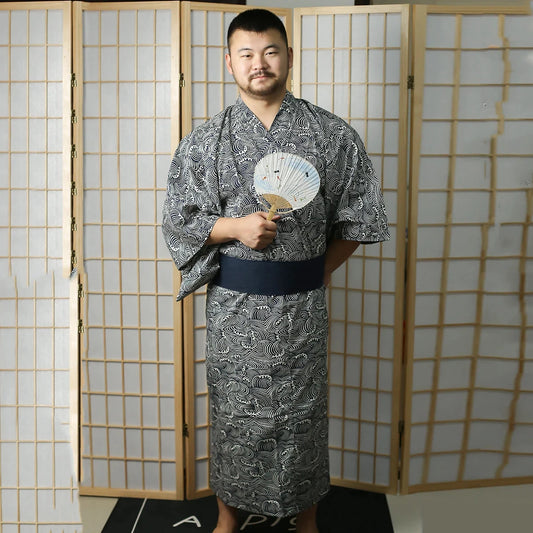
For more casual looks, especially with yukata or everyday kimono, the Hanhaba Obi is a brilliant option. As its name suggests ('hanhaba' means 'half-width'), it's much narrower, usually around 15-17 cm, and significantly shorter. These are fantastic for experimenting with different, simpler musubi styles and are incredibly comfortable. I've personally tied dozens of these for friends heading to summer festivals, and they always add such a cheerful touch!
Beyond these, you also have the highly formal Maru Obi, which is patterned on both sides and throughout its entire length, making it incredibly heavy and expensive, usually reserved for bridal wear or very specific traditional performances. And let's not forget the more casual Hoso Obi, which is even narrower than hanhaba and often used for men's kimono or lighter, informal female wear. The choice of obi profoundly impacts the overall impression, so understanding these distinctions is paramount for anyone serious about traditional kitsuke.
4.2M
Max Obi Length (Fukuro)
31 CM
Max Obi Width
100+
Common Musubi Styles
£50-£5000+
Obi Price Range
Obijime & Obiage: The Finishing Touches
Once the obi is securely tied, the ensemble still isn't quite finished. This is where the obijime and obiage come in – two seemingly small accessories that make a monumental difference to the final look. They're like the perfect jewellery and scarf that complete a sophisticated Western outfit, adding layers of colour, texture, and refined elegance. Ignoring these would be like serving a gourmet meal without the garnish!
The obijime is a decorative cord that is tied around the centre of the obi, serving both a functional and aesthetic purpose. Functionally, it helps to secure the obi in place and prevents it from shifting. Aesthetically, it provides a striking focal point, often contrasting or complementing the colours of the obi and kimono. Obijime come in various weaves and materials, from flat braided silk (hiragumi) to round woven cords (marugumi), and can be adorned with beads or intricate knots. In my collection, I have a particularly stunning marugumi obijime with a delicate metallic thread running through it – it's amazing how much sparkle such a small detail can add.
The obiage is a silk scarf that is tucked into the top edge of the obi, usually visible just above the obijime. Its primary role is to cover and secure the obimakura (a pillow used to shape the obi knot at the back), but it also adds a soft layer of colour and texture. The way it's artfully puffed and tucked creates a graceful, rounded line along the top of the obi. Choosing an obiage that harmonises with the kimono and obi is crucial; it should either subtly blend in or provide a gentle pop of complementary colour, never clashing too harshly. I've found that a well-chosen obiage can instantly elevate the perceived quality and care put into an entire ensemble.
Coordinating the obijime and obiage is a subtle art. Often, one will pick up a colour from the kimono, while the other might echo a hue in the obi. For example, if your kimono has a faint floral pattern with touches of emerald green, you might choose an obiage in a soft emerald and an obijime that matches the main colour of your obi. It's all about balance and creating a cohesive visual flow. These accessories offer a wonderful opportunity for personal expression within the traditional framework, allowing for individuality without breaking cultural norms. You can even find modern takes on these accessories, perfect for integrating with modern kimono accessories.
Obijime & Obiage Colour Play
When selecting your obijime and obiage, try to pick colours that are present in either your kimono or obi, even if just a small detail. This creates visual harmony. For example, if your kimono has a tiny accent colour, bring it out with your obiage. If your obi is patterned, pick a solid obijime in one of the pattern's colours.
Footwear: Tabi, Geta, and Zori
Just as important as what you wear on your body is what you wear on your feet. Traditional Japanese footwear for kimono isn't just about protection; it's an integral part of the aesthetic, influencing posture and gait. When I first started wearing kimono regularly, I quickly learned that the right footwear can truly make or break the authenticity and comfort of the experience.
The foundation for all traditional kimono footwear is the tabi. These unique socks feature a split toe, separating the big toe from the others, specifically designed to be worn with thonged sandals like geta and zori. Traditionally, white tabi are worn for formal occasions, while coloured or patterned tabi are perfectly acceptable for casual wear. They're typically made of cotton and fasten with small metal clips (kohaze) at the back of the ankle. I've found that investing in good quality, well-fitting tabi makes a huge difference in comfort, especially if you're planning to be on your feet for a while.
Next up are geta, the iconic wooden clogs that most people associate with traditional Japanese dress. Geta typically have two 'teeth' or 'ha' (blade) on the sole, which elevate the wearer. They are commonly worn with yukata for summer festivals and casual outings. The clacking sound of geta on pavement is a quintessential sound of Japanese summer. While they might feel a little unstable at first, you quickly get used to the unique gait they encourage, which helps maintain the elegant, small steps often associated with kimono wearers.
For more formal kimono ensembles, zori are the preferred choice. These flat-soled sandals are generally more elegant and comfortable than geta, made from various materials like leather, fabric, or vinyl, often embellished with intricate designs. Formal zori usually have a slightly raised heel and are paired with white tabi. The level of formality of your zori should match that of your kimono and obi – a silk zori with intricate embroidery would be perfect for a formal visiting kimono, while a plain vinyl zori would suit a casual outing. I've learned that the rule of thumb is to choose zori that are slightly longer than your foot, so your heel extends slightly over the back, which is considered proper and elegant.
While geta and zori are the mainstays, there are also variations like pokkuri geta (or okobo), which are very tall, block-like clogs worn by maiko (apprentice geisha), and more modern, comfortable versions of zori suitable for extended wear. Understanding when to wear which type of footwear is crucial for authentic styling. These choices reflect a deep understanding of occasion and tradition, much like selecting the right shoes for a Western suit or gown. If you're looking to explore more casual ways of incorporating Japanese fashion, check out articles on how to style kimono in modern fashion in the US.
- Tabi: Split-toe socks, essential for all traditional kimono footwear. White for formal, coloured for casual.
- Geta: Wooden clogs with elevated 'teeth'. Ideal for yukata and casual kimono; distinct clacking sound.
- Zori: Flat-soled sandals, more elegant than geta. Preferred for formal kimono, come in various materials and designs.
- Pokkuri Geta (Okobo): Very tall wooden clogs, specifically worn by maiko.
Other Traditional Kimono Accessories
Beyond the major players like the obi and footwear, there's a whole supporting cast of accessories that are vital for both the structure and final flourish of a traditional kimono ensemble. These items might be hidden from view, but they are absolutely indispensable for achieving that perfect, elegant silhouette and ensuring the kimono stays beautifully in place throughout the day. I've tested various types of these unseen heroes over the years, and believe me, quality makes a huge difference!
Let's start with the foundational ties: koshihimo and datejime. Koshihimo are long, narrow sashes, typically made of cotton or silk, used to secure the kimono and its undergarments in specific places, especially at the waist to create the ohashori (tuck at the waist). You'll typically need 2-3 of these. Datejime is a wider, firmer sash, usually made of silk or cotton, wrapped around the waist to flatten and smooth the area, providing a stable base for the obi. It's often adorned with beautiful patterns, even though it's mostly hidden. Without these, your kimono would simply fall open or lose its elegant shape.
To give the obi its characteristic rounded shape at the back, especially for more elaborate musubi knots, an obimakura (obi pillow) is essential. This small, firm pillow is placed under the obi at the back, secured by the obiage. Different sizes and shapes of obimakura are used depending on the desired obi knot. For example, a formal fukuro obi might require a larger, firmer pillow to support a complex taiko musubi. I've found that a good obimakura can make a huge difference in how comfortable and stable your obi feels.
Another often-overlooked accessory is the haneri, a decorative collar that is sewn onto the nagajuban (under-kimono). While the nagajuban collar itself is usually plain white, the haneri allows for a touch of elegance or festive flair, often embroidered with silk thread, gold, or silver. Changing the haneri is a simple way to adapt a kimono for different seasons or occasions, as it's the only part of the nagajuban collar that's visible. I particularly love embroidered haneri for formal events; they add such a delicate touch of luxury peeking out from beneath the kimono collar.
The Obidome: A Tiny Treasure
While not strictly necessary, the obidome is a small, decorative clasp or brooch worn on the obijime. It's a fantastic way to add a personal touch or extra sparkle to your ensemble. Obidome come in countless designs, from intricate carvings to precious metals and jewels, offering a subtle focal point and a chance to express your unique style.
Finally, we have items like eri-shin, a plastic or cardboard insert slipped into the nagajuban collar to keep it crisp and smooth, creating that beautifully curved neckline. And for cold weather, a haori (kimono jacket) or michiyuki (kimono coat) might be worn over the top, adding another layer of formality and warmth. Each of these accessories, whether visible or hidden, works in concert to achieve the graceful, traditional kimono look. Understanding their roles is key to appreciating the full depth of this magnificent fashion art form. If you're exploring modern kimono styles, you might be interested in kimono cardigan outfits or wearing kimono with jeans, where some accessories are adapted.
Choosing & Coordinating Your Accessories
Now that we've covered the array of essential traditional kimono accessories, the real fun (and sometimes challenge!) begins: choosing and coordinating them to create a harmonious and appropriate ensemble. This isn't just about throwing things together; it’s an art form honed over centuries, reflecting seasons, occasions, and personal taste. In my experience, the best kimono outfits are those where every element, from the obi to the obijime, tells a cohesive story.
When selecting accessories, the primary considerations are the formality of the occasion, the season, and the colour palette. For formal events like weddings or tea ceremonies, pristine white tabi, a formal obi (like a fukuro), and matching zori are non-negotiable. The obijime and obiage should complement, not overpower, the kimono and obi, often in subdued, elegant tones. In contrast, for a summer festival or a casual outing, you have much more freedom to play with vibrant colours, bold patterns, and materials like cotton or linen. I've found that starting with the kimono and obi, then building the accessories around them, is the most effective approach.
Colour coordination is absolutely vital. A good rule of thumb is to either choose accessories that are in a similar colour family to your kimono or obi, or to pick out an accent colour from a pattern and use that for one or two accessories. For example, if your kimono has a beautiful pattern with subtle hints of gold, a gold-threaded obijime would be an exquisite choice. Conversely, a strong contrasting colour can provide a dramatic focal point, but this must be done with care to avoid clashing. What surprised me when I first started was how much a slight difference in shade can alter the entire feel of an outfit; it’s all about nuanced harmony.
Seasonal considerations also play a huge role. In spring, you might see obiage and obijime featuring cherry blossom motifs or light pastel colours. Summer often brings cooler fabrics, sheer obiage (ro obiage), and lighter hues, perfect for pairing with maxi kimono dresses or yukata. Autumn embraces rich, warm tones like deep reds and oranges, sometimes with maple leaf patterns. Winter calls for heavier fabrics, perhaps fur stoles, and accessories in more subdued, elegant shades. Matching the season adds another layer of authenticity and beauty to your traditional styling.
While traditional styling adheres to these guidelines, there's also a wonderful world of modern kimono fashion that allows for more creative freedom. You can find inspiration in how these traditional elements are reinterpreted for contemporary looks. For instance, a beautifully embroidered obijime could be repurposed as a belt for a modern dress, or a colourful hanhaba obi might be styled with a long skirt. The essence of Japanese aesthetics, even when adapted for a global audience, often revolves around careful attention to detail and a harmonious balance of elements. Remember, whether traditional or modern, every piece you choose contributes to the story your outfit tells.
Discover Your Perfect Kimono Accessories!
Elevate your traditional kimono ensemble or add authentic Japanese flair to your modern wardrobe. Explore our exquisite collection of obi belts, obijime, tabi, and more.
Shop Now →⭐⭐⭐⭐⭐ Trusted · Fast delivery to United States
Ultimately, mastering the art of traditional kimono styling through its accessories is a journey of appreciation for Japanese culture and a celebration of intricate beauty. It takes practice, an eye for detail, and a willingness to learn the subtle nuances of coordination. But the reward is an outfit that not only looks stunning but also carries centuries of tradition and artistry. Happy styling!
Frequently Asked Questions
The obi is a broad sash that serves multiple critical purposes in traditional kimono dressing. Functionally, it secures the kimono closed, ensuring it stays neatly wrapped around the wearer. Aesthetically, it acts as the central decorative element of the entire ensemble, often featuring intricate patterns, rich colours, and luxurious materials. The way an obi is tied (the musubi) can signify the wearer's age, marital status, or the formality of the occasion, making it a powerful statement piece that completes and elevates the kimono's overall appearance and cultural significance.
Absolutely, there are hundreds of different ways to tie an obi, known as musubi, each with its own specific meaning, formality, and aesthetic appeal. Some of the most common and recognisable styles include the simple Taiko Musubi (drum knot), popular for its classic elegance and ease of wear with Nagoya obi, and the elaborate Fukura Suzume Musubi (puffed sparrow knot) often seen on young women for formal events. Other styles, like the Bunko Musubi (library knot) or the various decorative knots for yukata (e.g., Chouchou Musubi - butterfly knot), offer different levels of complexity and suitability for various occasions, contributing significantly to the overall look of the kimono ensemble.
Tabi socks are traditional Japanese socks characterised by a split toe design, separating the big toe from the other four. Their primary purpose is to allow the wearer to comfortably wear traditional thonged footwear like geta and zori, which have a strap that passes between the toes. Beyond functionality, tabi are an essential component of a proper kimono ensemble, offering a clean, traditional look. They are typically made of cotton and fasten with small metal clips called kohaze at the ankle. White tabi are reserved for formal occasions, while coloured or patterned tabi are suitable for casual wear, adding a subtle touch of personal style.
Tags: