Kimono vs. Yukata: Understanding the Key Differences for US Enthusiasts
Traditional Kimono & Cultural Appreciation
Kimono vs. Yukata: Understanding the Key Differences for US Enthusiasts
⚡ Quick Answer
A kimono is a formal, lined silk or synthetic garment worn year-round for significant events, featuring multiple layers and intricate accessories. A yukata, on the other hand, is a casual, unlined cotton or linen garment primarily worn in summer for relaxed occasions like festivals, hot springs, or at home, known for its lighter feel and simpler styling.
Hello, lovely fashion enthusiasts! Yuki here, straight from Tokyo, and today we're tackling a question I get asked all the time, especially from my friends in the US: "What's the real difference between a kimono and a yukata?" It's a common point of confusion, and honestly, even for those of us immersed in Japanese culture, the nuances can sometimes be subtle. But don't worry, I'm here to clear things up, so you can appreciate and even wear these beautiful garments with confidence and cultural understanding.
For centuries, both kimono and yukata have been integral to Japanese identity and fashion, evolving from everyday wear to cherished cultural symbols. While they share a similar silhouette – that iconic 'T' shape – their origins, materials, formality, and occasions for wear diverge significantly. Understanding these distinctions isn't just about fashion; it's about respecting the rich tapestry of Japanese tradition and knowing how to honour it, whether you're attending a Japanese festival in your hometown or planning a trip to Japan. Let's dive in and uncover what truly sets these two stunning garments apart.
The Basics: What is a Kimono?
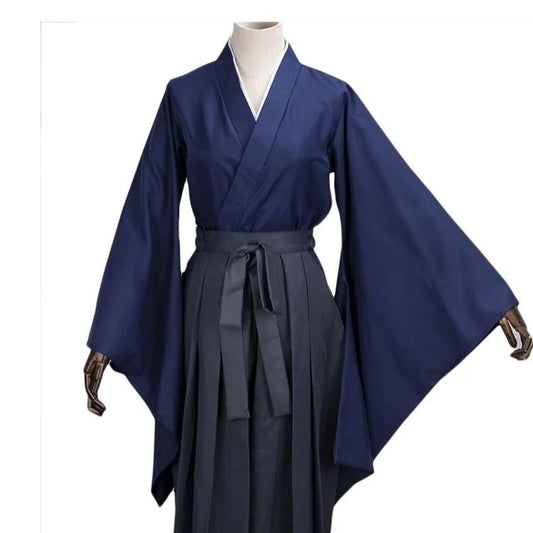
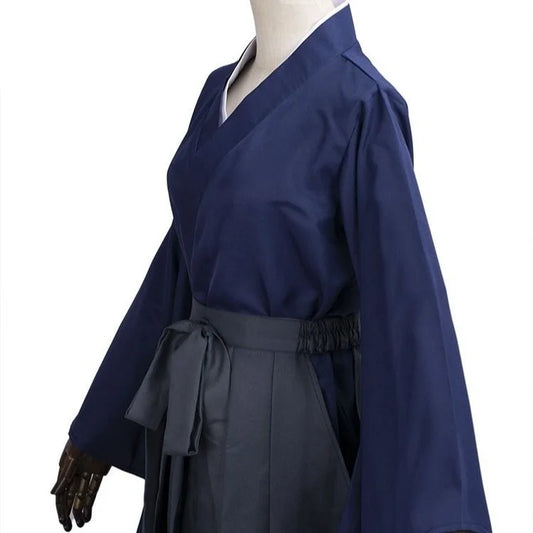
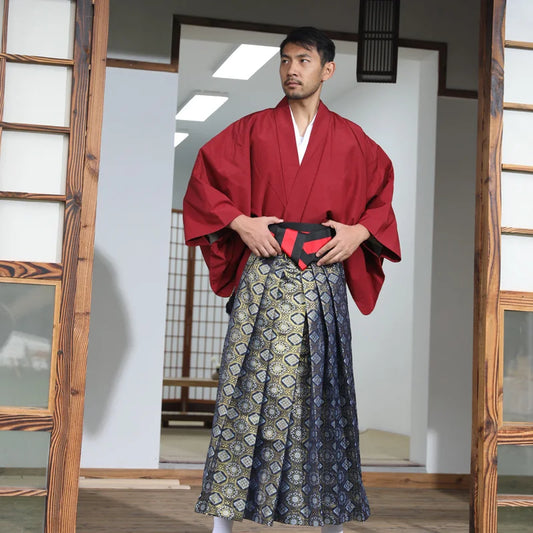
First off, let's talk about the kimono. The word "kimono" literally means "thing to wear" (着物), and historically, it was the primary form of dress in Japan. When we refer to a kimono today, we're generally talking about a formal, traditional Japanese garment that is worn for significant life events and special occasions. Think weddings, tea ceremonies, graduations, and traditional festivals. These aren't just clothes; they're often works of art, passed down through generations.
A true kimono is a multi-layered ensemble. It's not just the outer robe; it involves undergarments like the nagajuban (a long under-robe), multiple collars, and often several types of sashes and ties to create that elegant, structured look. In my experience, the process of putting on a formal kimono is an art form in itself, often taking over an hour and requiring assistance. It's a testament to the dedication and ritual involved in traditional Japanese dressing.
The craftsmanship of a kimono is truly exceptional. They are meticulously made, often from luxurious fabrics like silk, woven with intricate patterns that tell stories or symbolise seasons and virtues. The dyeing techniques, such as Yuzen, are world-renowned for their beauty and complexity. The expense often reflects this artistry, with some vintage silk kimonos fetching thousands of pounds, making them heirloom pieces rather than everyday attire.
Kimono Fun Fact
The longest kimono sleeve on record, known as a furisode, can reach nearly floor length! This style is worn by unmarried women and is a vibrant, youthful declaration of beauty and status.
The Basics: What is a Yukata?
Now, let's turn our attention to the yukata. The name "yukata" (浴衣) literally translates to "bathing clothes," which gives you a strong hint about its origins and purpose. Originally, yukata were worn after bathing in public bathhouses (onsen or sento) as a quick, comfortable way to cover up while cooling down. They were essentially robes for relaxing, a practical garment that eventually evolved into summer casual wear.
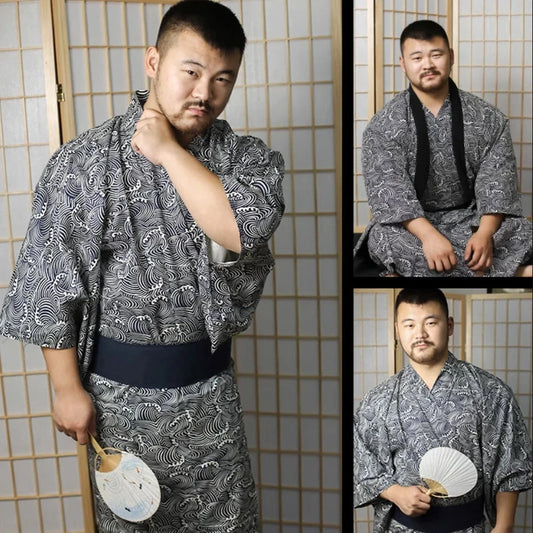
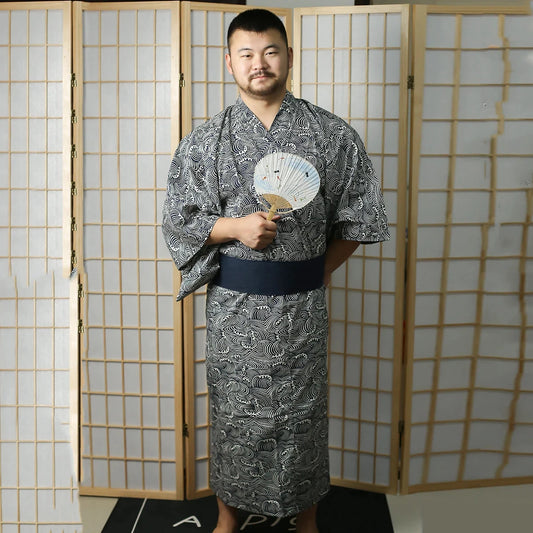
Unlike the kimono, the yukata is designed for comfort and ease. It's a single-layer garment, usually made from breathable fabrics like cotton, linen, or a blend, making it perfect for the hot and humid Japanese summers. You'll see people wearing yukata at summer festivals (matsuri), fireworks displays, and even just strolling through hot spring towns. It's the go-to garment for enjoying the warmer months without the fuss and formality of a kimono.
Styling a yukata is much simpler, too. While it still requires an obi (sash), it's typically a softer, narrower one that's easier to tie than a formal kimono obi. You generally wear a yukata directly over your underwear, without the need for a nagajuban or multiple layers. This stripped-back approach is why many non-Japanese enthusiasts find yukata more approachable for their first traditional Japanese garment experience. I've found it's a fantastic entry point for anyone curious about Japanese traditional fashion.
Yukata's Summer Charm
Yukata are synonymous with summer in Japan. When you see people in yukata, it immediately evokes images of lively festivals, cool evening breezes, and the joyous sounds of celebration during the hottest months.
Key Differences: Fabric & Construction
The materials and construction are perhaps the most telling distinctions between a kimono and a yukata. This is where their fundamental purposes truly diverge. A kimono, as mentioned, is almost always made from silk. This luxurious fabric provides excellent drape, a rich lustre, and can be intricately woven or dyed to showcase breathtaking artistry. Beyond silk, you might find formal kimonos made from high-quality wool or specific synthetic blends designed to mimic silk's properties, but silk remains the gold standard.
Crucially, kimonos are almost always lined. This lining provides structure, warmth, and a finished look, making them suitable for year-round wear, even in colder temperatures. The lining itself can be a plain silk or a patterned fabric, sometimes adding another layer of hidden beauty. The sleeves of a kimono are typically attached to the body of the garment for about half their length, with the lower half remaining open, a feature that contributes to its elegant silhouette and allows for certain traditional movements.
In stark contrast, yukata are predominantly made from cotton or linen. These natural fibres are prized for their breathability, moisture-wicking properties, and comfort, which are essential for staying cool in the intense humidity of Japanese summers. They are almost always unlined, contributing to their light weight and airy feel. The simplicity of their construction means they are easier to wash and care for than delicate silk kimonos, making them a more practical choice for casual wear. What surprised me when I first started exploring was just how much lighter a yukata feels; it’s like wearing a cloud compared to the more substantial embrace of a kimono.
The sleeve construction also differs subtly. While both have wide, straight sleeves, a yukata's sleeves are often attached for a shorter length than a kimono's, providing more ventilation. The lack of lining and the simpler fabrics also mean that yukata are generally much less expensive than kimonos, making them more accessible for those looking to experience Japanese traditional wear without a significant investment. This accessibility is a huge factor for US enthusiasts looking to try out Japanese fashion.
| Feature | Kimono | Yukata |
|---|---|---|
| Primary Fabric | Silk, high-quality wool, formal synthetics | Cotton, linen, cotton blends |
| Lining | Always lined (often with multiple layers) | Unlined (single layer) |
| Formality | Formal to semi-formal | Casual |
| Season | Year-round (with seasonal variations) | Primarily summer |
| Undergarments | Requires nagajuban (under-robe) | Worn directly over underwear |
| Collar | Double collar (kimono + nagajuban) | Single collar |
| Obi (Sash) | Formal, intricate, often stiff (e.g., fukuro obi, nagoya obi) | Casual, softer, simpler (e.g., hanhaba obi) |
| Footwear | Zori (formal sandals) with tabi (split-toe socks) | Geta (wooden clogs) without socks |
Formality & Occasion: When to Wear Which
This is perhaps the most crucial distinction for US enthusiasts to grasp: the formality and appropriate occasions for each garment. Wearing the wrong one can be akin to wearing a ball gown to a BBQ or pyjamas to a wedding – it's just not done! A kimono, as we've established, is for significant events. Think of it as the Japanese equivalent of formal evening wear or a business suit, depending on the type and fabric. For a wedding, whether as a guest or the bride, a kimono is the expected attire. For coming-of-age ceremonies (Seijin-shiki), graduations, or a formal tea ceremony, a beautifully tailored kimono is absolutely essential.
There are many types of kimonos, each with its own level of formality. A vibrant furisode (long-sleeved kimono) is for unmarried women at celebratory events, while a subdued tomesode (short-sleeved, with patterns below the waist) is for married women at formal gatherings. A simple komon (small, repeating pattern) might be worn for a casual outing or dinner, but it’s still more formal than a yukata. In my experience, choosing the correct kimono for an event requires a deep understanding of etiquette, often guided by family tradition or the advice of a kimono dresser. It’s a serious cultural statement.
Yukata, by contrast, are decidedly casual. Their domain is summer fun and relaxation. If you're heading to a summer festival to watch fireworks (hanabi matsuri), visiting a local hot spring town, or simply lounging at a traditional inn (ryokan), a yukata is the perfect choice. They are designed to be comfortable in warm weather and project a sense of ease and joy. You'd never wear a yukata to a formal wedding or a high-end business meeting; it would be highly inappropriate.
When travelling in Japan, you'll often find yukata provided at ryokan for guests to wear around the inn, to the bath, or even for a stroll in the immediate vicinity. This is a wonderful opportunity for US tourists to experience wearing traditional Japanese clothing in a perfectly appropriate setting. The key takeaway here is this: if an event feels formal, lean towards a kimono. If it's a casual, summery gathering, a yukata is your friend.
80%
Kimono in formal settings
95%
Yukata in summer festivals
5-7
Average layers for a formal kimono
1-2
Layers for a yukata
Styling & Accessories: Kimono vs. Yukata
The complexity of styling and the array of accessories also vividly illustrate the difference in formality. A kimono ensemble is a masterclass in layering and specific adornments. Beyond the primary kimono robe and the nagajuban, you'll need a formal obi – these are often wide, stiff, and elaborately tied, sometimes forming intricate 'bows' or shapes at the back. There's also the obijime (decorative cord) and obiage (silk scarf tucked around the top of the obi), which add further colour and texture. Footwear consists of zori (formal sandals) worn with white tabi (split-toe socks), and hair is usually styled elegantly with elaborate ornaments called kanzashi. The overall look is polished, refined, and often quite expensive.
For US enthusiasts looking to truly embrace the traditional experience, understanding these accessories is key to respecting the full aesthetic. You can find beautiful guides on kimono accessories modern style online that show you how to choose and coordinate. The careful selection of each piece, from the collar of the nagajuban peeking out to the pattern on the obiage, is part of the kimono's unspoken language, conveying season, age, and status. It's a world unto itself!
"For me, the true magic of kimono lies in the unspoken stories told by each fold, pattern, and accessory. It’s a language of beauty passed down through generations."
Yuki TanakaYukata styling, in contrast, is wonderfully straightforward and relaxed. The obi for a yukata is typically a narrower, softer hanhaba obi (half-width obi) or even a simple heko obi (a soft, sash-like obi). These are much easier to tie, often with a simple bow at the back that can be done without assistance. You don't usually wear a nagajuban or tabi socks with a yukata; it's worn directly over your undergarments. Footwear is typically geta (wooden clogs), worn bare-footed, completing the informal, summery vibe. Hair accessories for yukata are also simpler, often fresh flowers or decorative pins rather than formal kanzashi.
While the traditional ways are beautiful, don't be afraid to explore modern interpretations for US wear! I’ve seen some fantastic examples of how to style kimono modern fashion US that blend these garments with contemporary wardrobes. For instance, a lighter kimono fabric can be draped over jeans, or a beautiful yukata can be worn as a statement piece for a summer garden party. It’s about cultural appreciation combined with personal style.
Discover Your Perfect Yukata
Ready to embrace the beauty and comfort of Japanese summer fashion? Explore our exquisite Yukata Collection and find your ideal style today.
Shop Now →⭐⭐⭐⭐⭐ Trusted · Fast delivery to United States
Practical Guide for US Enthusiasts
For those of you in the US keen to incorporate these beautiful garments into your life, my best advice is to start with a yukata. It's more forgiving, less expensive, and genuinely versatile for summer events or even as a luxurious loungewear piece at home. When purchasing a yukata, look for cotton or linen blends for authentic comfort. Pay attention to the length – it should skim your ankles when worn properly with an obi. Many online stores now offer yukata sets that include the garment, a simple obi, and sometimes even geta, making it incredibly easy to get started.
If you're looking to wear your yukata to a summer festival or a casual garden party, remember the key is comfort and lightness. Pair it with simple hair accessories and perhaps a small, traditional Japanese bag (like a kinchaku). For a more modern twist, I've seen enthusiasts use yukata as maxi kimono dresses, cinching them with a wide belt rather than a traditional obi for an easy, flowing look. Or, for an even more casual take, they can be layered as kimono cardigan outfits over basic tops and trousers.
Exploring modern kimono styling can also open up a world of possibilities. While a full formal kimono might be a significant investment and challenge to wear for most in the US, there are many kimono-inspired pieces that offer a nod to the traditional aesthetic without the strict rules. Think about lightweight kimono jackets or cardigans, which are perfect for layering. I've personally experimented with wearing kimono with jeans, and it’s a surprisingly chic way to blend East and West. It allows you to appreciate the beautiful fabrics and patterns without the full commitment of traditional dressing.
Cultural Sensitivity
Always wear a traditional Japanese garment, whether kimono or yukata, with the left side over the right. The right side over the left is reserved for dressing the deceased and is considered a serious cultural faux pas.
When it comes to buying, consider your budget and intended use. Authentic silk kimonos are a long-term investment, often purchased for specific life events or as collector's items. Yukata are far more affordable and practical for casual enjoyment. Many stores in the US now specialise in Japanese textiles, offering both traditional and modern interpretations. Don't hesitate to ask questions about fabric, care, and appropriate occasions. The goal is to celebrate this wonderful cultural heritage respectfully and joyfully.
Avoid Misuse
While adapting traditional garments for modern fashion is common, avoid cultural appropriation. Understand the history and significance. For instance, wearing a formal kimono to a pool party would be deeply disrespectful.
Frequently Asked Questions
No, a yukata is considered a casual garment and is not appropriate for formal events such as weddings, graduations, or official ceremonies. Wearing a yukata to a formal occasion would be akin to wearing casual summer clothes to a black-tie event in Western culture, potentially causing a misunderstanding or appearing disrespectful. Its lightweight, unlined cotton construction and simple styling are designed for comfort in warm weather and relaxed settings like summer festivals, hot springs, or informal gatherings. Always opt for a kimono for formal events to ensure cultural appropriateness.
Absolutely, a yukata is significantly easier to wear than a formal kimono. A yukata is an unlined, single-layer garment, typically made of cotton, which is worn directly over underwear. The obi (sash) for a yukata is usually a softer, narrower one that is much simpler to tie, often forming a basic bow. In contrast, a kimono involves multiple layers, including a nagajuban (under-robe), and a complex, stiff obi that requires specific techniques and often assistance to tie correctly. The entire dressing process for a kimono can take over an hour, while a yukata can be put on in minutes, making it far more accessible for beginners.
The main visual difference lies in the fabric, layering, and collar. Kimonos are typically made from luxurious, often shiny silk, and are visibly lined, sometimes with several layers showing at the collar. This creates a more substantial, elegant silhouette. You'll usually see two collars – the kimono's outer collar and the inner nagajuban's collar – creating a layered look. Yukata, on the other hand, are made from matte cotton or linen, are unlined, and feature a single, simpler collar. Their overall appearance is lighter, more relaxed, and less structured, reflecting their casual summer use. The type of obi and footwear (tabi with kimono, bare feet with yukata) also offer clear visual cues.
Tags:
Previous
DIY Kimono Upcycling: Transform Vintage Pieces into Modern Wear
Next
Furisode, Tomesode, Komon: Decoding Kimono Formality for US Events