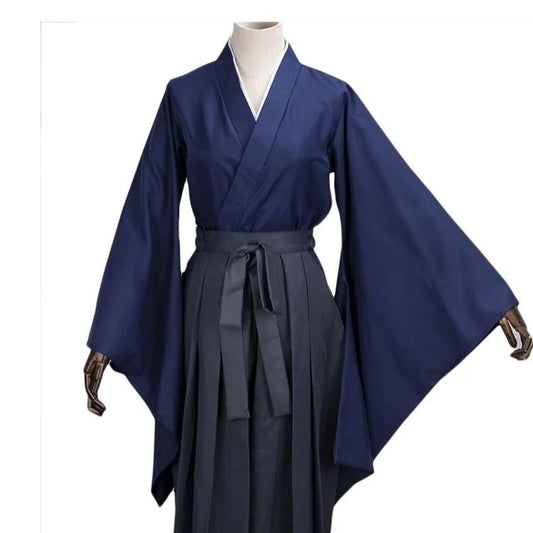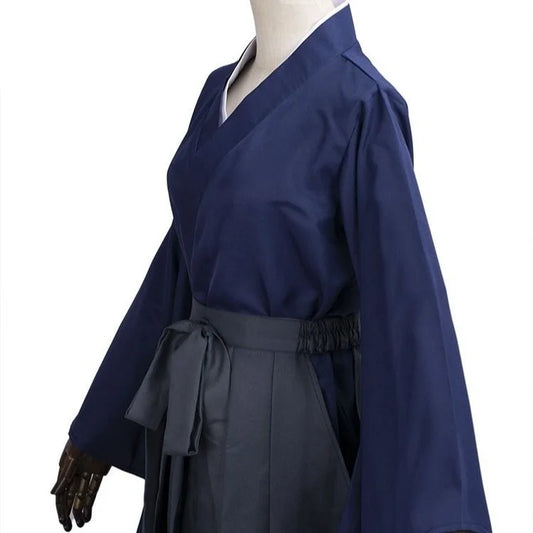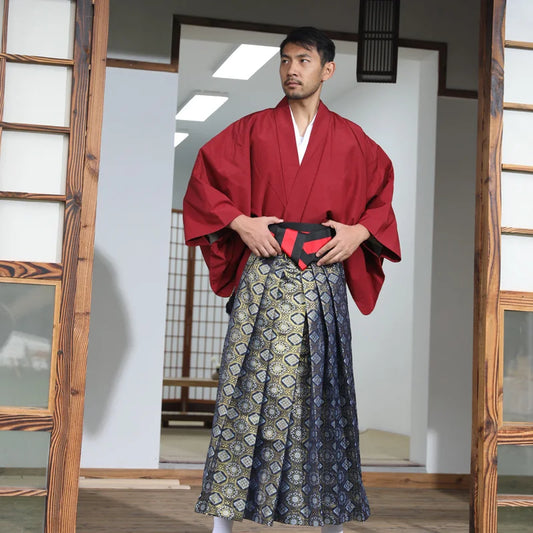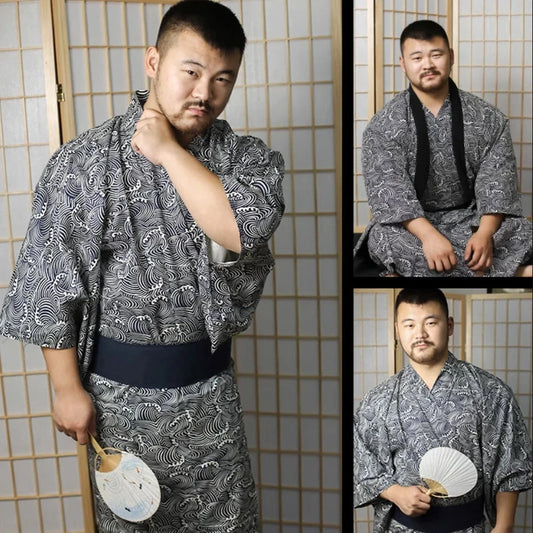
The Complete Guide to Traditional Japanese Kimonos: Types, History & Etiquette
The Complete Guide to Traditional Japanese Kimonos: Types, History & Etiquette
The world of traditional Japanese kimonos is rich with history, intricate artistry, and profound cultural significance, offering a glimpse into Japan's enduring heritage. As a garment that has evolved over centuries, the kimono embodies principles of aesthetics, social status, and seasonal appreciation, far beyond mere clothing. This definitive guide aims to demystify its complexities, providing an authoritative resource for anyone seeking to understand the nuanced beauty and traditions surrounding this iconic attire.
From the bustling streets of Tokyo to the serene temples of Kyoto, the kimono remains a powerful symbol of Japanese identity, worn with pride during significant life events and cultural festivities. Its appeal extends globally, sparking admiration and curiosity. However, appreciating the kimono authentically requires delving into its types, understanding its historical journey, and respecting the specific etiquette that governs its wear. Join me as we embark on a comprehensive exploration of the traditional Japanese kimono, presented with the respect and detail it truly deserves.
What is a Traditional Japanese Kimono?
At its core, a traditional Japanese kimono is a T-shaped, straight-lined robe worn with the left side wrapped over the right, secured by a wide sash called an obi. The word "kimono" literally translates to "thing to wear" (ki - wear, mono - thing), reflecting its historical status as the primary form of dress in Japan for centuries. Unlike Western garments that are cut to fit the body's curves, the kimono’s construction is based on simple straight lines, which makes it adaptable to various body shapes. Its elegance derives from the way it drapes, the patterns adorning its fabric, and the meticulous layering involved in its dressing.
Beyond its fundamental shape, a kimono is a complex ensemble comprising several distinct components. The outer robe itself, typically made from silk, cotton, or linen, is just one element. Underneath, a shorter garment known as a juban is worn, providing a layer of protection and comfort. The wide, decorative obi belt is perhaps the most visually striking accessory, tied in various intricate knots (musubi) at the back. Other essential accessories include the tabi (split-toe socks), zori or geta (traditional footwear), and various sashes and ties like koshihimo and datejime, all crucial for achieving the correct silhouette and ensuring the kimono stays perfectly in place. Understanding these individual elements is the first step in truly appreciating the traditional kimono’s artistry and functionality.
A Brief History of the Kimono
The journey of the kimono is a captivating narrative spanning over a thousand years, reflecting Japan's cultural evolution. Its origins can be traced back to the Nara period (710-794 AD), when garments influenced by Chinese Hanfu were introduced. These early robes, known as kosode ("small sleeves"), were initially worn as undergarments, but gradually gained prominence as outerwear. During the Heian period (794-1185 AD), the kosode evolved into a more sophisticated style, and the layering of multiple robes, known as jūnihitoe, became fashionable among the aristocracy, indicating status and wealth through a kaleidoscope of colours and textures.
By the Edo period (1603-1868 AD), the kimono had cemented its status as the ubiquitous attire for all social classes. This era saw the standardisation of the kimono's T-shape and the development of intricate dyeing and weaving techniques that became synonymous with Japanese craftsmanship. The obi also grew in width and complexity, transforming from a narrow cord to the elaborate sashes we recognise today. Sumptuary laws often dictated who could wear what, influencing patterns, colours, and fabrics, yet this period also fostered incredible innovation in kimono design. The Meiji Restoration (1868 AD) brought significant Western influence, leading to a decline in daily kimono wear as Western clothing became a symbol of modernity. However, the kimono never disappeared; instead, it transitioned into a revered garment for special occasions, preserving its legacy as a cultural icon.
Decoding Kimono Types: From Casual to Ceremonial
The diversity of traditional kimonos is perhaps its most fascinating aspect, with each type meticulously designed for specific occasions, social standings, and seasons. Discerning these differences is key to understanding the depth of Japanese sartorial tradition. The formality scale of kimonos is intricate, ranging from the most casual to the intensely ceremonial, each with its own set of rules regarding fabric, pattern, and accompanying accessories.
For unmarried women, the Furisode stands out with its exceptionally long, flowing sleeves, often reaching the ankles. Its vibrant colours and elaborate patterns make it the most formal kimono for young, single women, typically worn for coming-of-age ceremonies (Seijin-shiki), weddings (as a guest), and other significant celebrations. In stark contrast, the Tomesode is the pinnacle of formality for married women. Black tomesode (Kurotomesode) feature five family crests (kamon) on a solid black background, with patterns only below the waistline, reserved for weddings of close relatives and other highly formal events. Coloured tomesode (Irotomesode) are slightly less formal, sometimes bearing three or one crest, suitable for slightly less rigid formal gatherings.
Moving down the formality scale, the Houmongi (visiting wear) is a semi-formal kimono suitable for parties, tea ceremonies, and formal visits. Its patterns are seamlessly continuous across the seams, creating a single, beautiful tableau. The Tsukesage is similar but with slightly less elaborate patterns that are not always continuous across seams, making it a versatile option for semi-formal occasions where a Houmongi might be too grand. For everyday wear or more casual outings, the Komon is ideal. Characterised by small, repeating patterns scattered evenly over the entire fabric, Komon kimonos are comfortable and versatile, perfect for shopping or casual dining. If you're wondering about the subtle distinctions between these and other summer garments, you might find our guide on kimono vs. yukata differences particularly insightful.
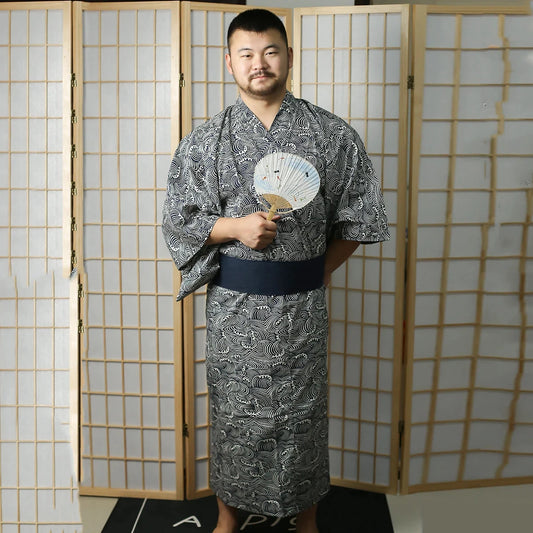
The Iromuji is a solid-coloured kimono, its formality determined by the presence and number of family crests; a crested Iromuji can be worn for formal tea ceremonies, while an uncrested one is more casual. Finally, the Yukata, a light cotton, unlined kimono, is the most casual, primarily worn in summer for festivals, fireworks displays, or after bathing at a ryokan. Other specialised kimonos include Mofuku for mourning, which is plain black with five crests, and the breathtaking Uchikake, an elaborately embroidered outer robe worn by brides over another kimono. Understanding the nuances between these types, such as the specific formality levels of furisode, tomesode, and komon, allows for a deeper appreciation of the kimono as a sophisticated sartorial language.
The Art of Kitsuke: Traditional Kimono Dressing
Dressing in a traditional kimono, known as kitsuke, is an art form in itself, demanding precision, patience, and an understanding of specific techniques. It is far more than simply putting on a garment; it is a ritualistic process that shapes the wearer's posture and presentation, transforming them into an embodiment of Japanese grace. The goal of kitsuke is to create a smooth, cylindrical silhouette, eschewing the natural curves of the body in favour of a more streamlined form, which is achieved through careful padding and layering.
The kitsuke process begins with undergarments: a thin cotton slip (hadajuban) and a half-slip (susoyoke), or a full-length nagajuban. The juban, a silk under-kimono, is then worn, acting as a protective layer and allowing only a sliver of its collar to show, adding a touch of colour or pattern. The main kimono is then carefully wrapped, ensuring the left side always overlaps the right (the reverse is reserved for funerals), and secured with several thin cords called koshihimo at the waist and hips. Padding (korin belt and datejime) is strategically placed to smooth out any bulges and maintain the desired shape. The collar, known as the eri, is adjusted to create a gentle curve at the nape of the neck, a point of traditional beauty.
The culminating step is tying the obi, the wide sash that is both functional and highly decorative. Obi tying is a complex skill, with various knots (musubi) chosen based on the kimono's formality, the wearer's age, and personal preference. An obi-ita (obi board) is inserted to keep the obi smooth, and an obiage (a decorative scarf) and obijime (a decorative cord) are used to secure and adorn the obi further. The entire process requires a skilled hand, often taking considerable time, especially for formal kimonos. Many in Japan learn kitsuke from family or dedicated schools, preserving this vital aspect of kimono culture. For those interested in the intricacies, exploring dedicated resources on kitsuke: traditional kimono dressing can provide a deeper dive into this fascinating practice.
Essential Kimono Accessories & Their Meanings
A traditional kimono is never worn in isolation; it is always accompanied by a suite of essential accessories, each with its own function, aesthetic purpose, and often symbolic meaning. These elements are integral to the complete ensemble, contributing to its elegance, structure, and cultural authenticity. Understanding them is crucial for anyone wishing to appreciate the kimono in its entirety.
The Obi is arguably the most significant accessory after the kimono itself. More than just a belt, it is a wide, often exquisitely embroidered sash that can be as valuable and intricate as the kimono. Obis come in various types, such as the formal fukuro obi or nagoya obi, chosen according to the kimono's formality and the occasion. Its tying, or musubi, can range from simple knots to elaborate designs, transforming the back of the wearer into a canvas of artistry. The Obiage, a decorative silk scarf, is tied over the top edge of the obi, peeking out just above it, adding a splash of colour and helping to keep the obi in place. The Obijime is a decorative cord, often woven, that is tied around the centre of the obi, both securing it and adding another layer of visual interest.
Beneath the kimono, the Juban (under-kimono) acts as a protective layer for the outer garment, preventing it from direct contact with the skin and making it easier to clean. Its collar (han-eri) is often detachable and can be changed to match the kimono or the occasion. Footwear is also highly traditional: Tabi are white, ankle-high socks with a split toe, designed to be worn with traditional Japanese sandals. These sandals include Zori, typically made of leather, cloth, or vinyl, for formal occasions, and Geta, wooden clogs with raised platforms, for more casual wear, especially with yukata. Other practical accessories include Koshihimo (thin tying cords) and Datejime (broader stiff sashes) that help secure the kimono and juban, ensuring a smooth and neat silhouette. Each accessory plays a vital role in both the structural integrity and the aesthetic perfection of the traditional kimono ensemble.
Kimono Etiquette: When and How to Wear
Wearing a traditional kimono is an act steeped in etiquette and cultural reverence. It is not merely a costume, but a garment that carries centuries of tradition, and understanding the proper context and manner of wear is paramount to showing respect for Japanese culture. The rules surrounding kimono etiquette dictate not only when to wear it but also how it should be worn, how one should behave while dressed in it, and the very spirit in which it is presented.
The most fundamental rule of wearing a kimono is to always wrap the left side over the right. The only exception to this rule is during funerals, where the right side is wrapped over the left. This distinction is deeply ingrained and serves as an immediate indicator of respect or mourning. Kimonos are reserved for significant occasions in modern Japan, such as weddings, coming-of-age ceremonies (Seijin-shiki), graduations, tea ceremonies, and traditional festivals like Obon or New Year's celebrations. The choice of kimono type, as discussed earlier, must align perfectly with the formality of the event and the wearer's age and marital status.
Beyond the physical act of dressing, etiquette extends to how one conducts oneself while wearing a kimono. Movement should be graceful and deliberate; hurried steps or large strides are discouraged, as they can cause the kimono to gape or lose its pristine shape. Sitting involves careful adjustment to prevent creasing the obi or skirt. When interacting with others, particularly elders or those of higher status, maintaining respectful posture and demeanour is essential. It is also important to remember that a traditional kimono, especially a formal one, is often a treasured heirloom, requiring careful handling and maintenance. For those outside Japan interested in wearing a kimono, understanding its cultural significance and avoiding common pitfalls is crucial, a topic comprehensively covered in guides such as cultural appropriation and kimono guide.
The Enduring Cultural Significance of Kimono Today
Despite its diminished role as daily wear, the traditional kimono retains an undeniable and profound cultural significance in contemporary Japan. It is far more than just clothing; it is a living symbol of national identity, artistic heritage, and a profound connection to the past. The kimono embodies centuries of Japanese craftsmanship, aesthetic principles, and social customs, making it a powerful emblem of enduring tradition in a rapidly modernising world.
For many Japanese people, wearing a kimono evokes a deep sense of pride and connection to their roots. It is an experience that transcends mere fashion, often linking individuals to family history through inherited garments and to the collective memory of the nation. The intricate patterns, the rich silk fabrics, and the meticulous process of kitsuke all speak to a reverence for beauty, detail, and discipline that is central to Japanese culture. Moreover, the kimono continues to inspire contemporary designers, both within Japan and globally, ensuring its aesthetic principles and traditional techniques remain relevant and celebrated.
Beyond personal wear, the kimono plays a vital role in preserving traditional arts and crafts. The dyeing, weaving, and embroidery techniques involved in kimono creation are often passed down through generations, ensuring the survival of highly skilled artisans. Festivals, tea ceremonies, and traditional performances would be incomplete without the vibrant presence of kimonos, underscoring their role in maintaining cultural continuity. It serves as a visual language, conveying stories, seasons, and social messages without a single word. While modern interpretations of kimono fashion exist – such as those exploring how to style a kimono in modern fashion or even kimono cardigan outfits – the traditional kimono stands as a steadfast beacon of Japan's enduring cultural spirit, a testament to its beauty, resilience, and timeless appeal.
For those inspired to explore the authentic beauty of these garments, finding a traditional kimono that speaks to you is a truly special journey. Whether you're seeking a specific type for a formal occasion or a timeless piece to cherish, the key is to look for quality craftsmanship and genuine materials. If you're considering adding one of these magnificent garments to your collection, I highly recommend exploring a curated selection of authentic traditional kimonos from reputable sources.
Frequently Asked Questions About Traditional Japanese Kimonos
Do Japanese people still wear kimonos today?
While not part of daily attire as in past centuries, kimonos are still deeply cherished and worn by Japanese people for significant occasions. You'll frequently see them at weddings, coming-of-age ceremonies (Seijin-shiki), graduations, tea ceremonies, and traditional festivals. Many still
Tags:
Previous
How to Style a Kimono: The Ultimate Guide to Modern Japanese Fashion in the US
Next
Resort Luxe Kimonos: Your Go-To for Vacation Style & Beach Elegance