Japanese Kimono Colors: Meaning & Symbolism
Japanese Culture · Color Symbolism
Japanese Kimono Colors —
Meanings & Symbolism Guide
Every color in Japanese kimono carries deep cultural meaning — discover what they represent.
Free Shipping $100+ Ships from US 10-Day Returns 4.8/5 · 2,000+ Customers
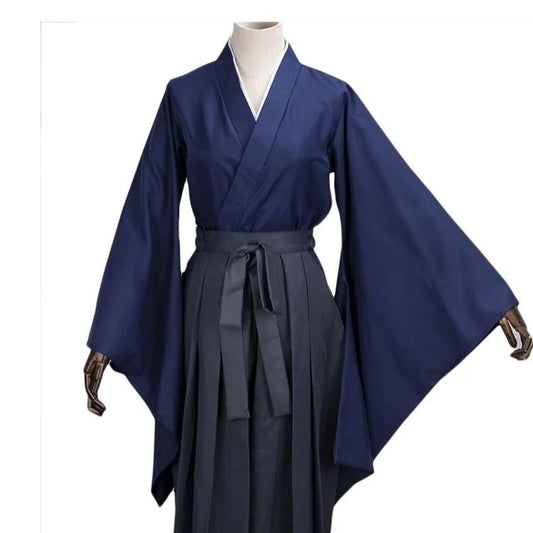
In traditional Japanese kimono culture, every color carries specific cultural and seasonal meaning. Red (hi-iro) represents passion, youth, and celebration. Black (kuro) symbolizes elegance, formality, and power. White (shiro) represents purity and mourning. Gold indicates wealth and imperial status. Indigo/Blue is associated with calm, depth, and the working class.
The Meaning of Each Kimono Color
❤️
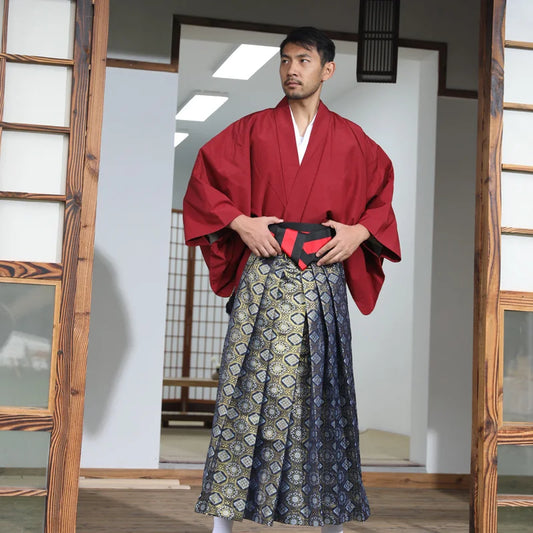
Red (Hi-iro)
Passion, youth, celebration, life force. Most festive color — worn at Coming-of-Age ceremonies.
⚫
Black (Kuro)
Elegance, formality, power, mourning. Most formal color for weddings and ceremonies.
🤍
White (Shiro)
Purity, new beginnings, mourning. Worn at weddings (bride) and funerals.
🌸
Pink (Momoiro)
Youth, springtime, femininity, gentle love. Popular for young women's kimono.
💛
Gold (Kin-iro)
Imperial power, wealth, prosperity. Used in formal obi and embroidery.
💙
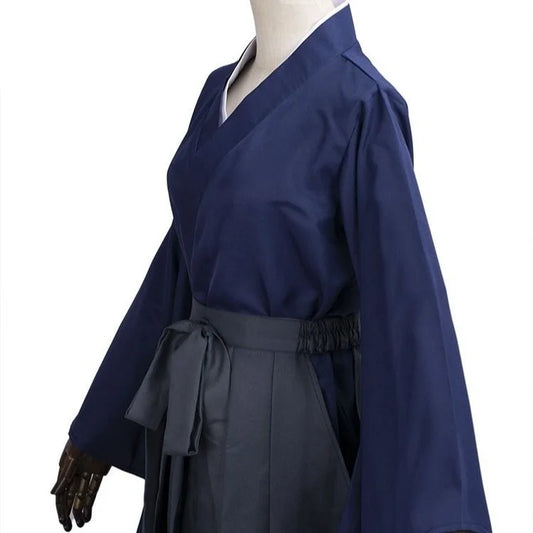
Indigo (Ai-iro)
Calm, depth, tradition. The most historically significant Japanese textile color.
💚
Green (Midori)
Nature, growth, youth. Spring season associations.
💜
Purple (Murasaki)
Nobility, wisdom, spirituality. Historically the imperial color of Japan.
Seasonal Color Traditions
Traditional kimono color choices also follow seasonal patterns — an important element of Japanese aesthetic philosophy (mono no aware — the awareness of impermanence):
- Spring: Cherry blossom pink, soft greens, pale yellow
- Summer: Cool blues, indigo, white — light colors that suggest coolness
- Autumn: Deep reds, russet oranges, gold — reflecting fall foliage
- Winter: Deep navy, black, dark green — warm, grounding colors
What do colors mean in Japanese kimono?
Each color carries cultural meaning: red (passion/celebration), black (elegance/formality), white (purity/mourning), pink (youth/spring), gold (wealth/imperial), indigo (tradition/calm), purple (nobility).
What color kimono is most auspicious?
Red is considered the most celebratory and auspicious color for Japanese occasions. Gold symbolizes prosperity. Purple historically indicated the highest nobility in Japan.
Shop Japanese kimono in every color
Shop Now →
Tags:
Previous
Japanese Kimono Types: A Comprehensive Guide
Next
How to Style a Kimono: The Ultimate Guide to Modern Japanese Fashion in the US