Japanese Kimono Types: A Comprehensive Guide
Japanese Culture · Kimono Types
Types of Japanese Kimono —
The Complete Visual Guide
From furisode to yukata — every type of Japanese kimono explained.
Free Shipping $100+ Ships from US 10-Day Returns 4.8/5 · 2,000+ Customers
There are over 20 distinct types of Japanese kimono, each with specific rules for fabric, pattern, formality, and occasion. The most important types are: furisode (long-sleeved formal kimono for unmarried women), tomesode (formal married women's kimono), houmongi (semi-formal visiting kimono), komon (casual patterned kimono), yukata (casual cotton summer kimono), and haori (kimono jacket).
Formal Kimono Types
👘
Furisode
Long swinging sleeves (114cm+). Most formal for unmarried women. Worn at Coming-of-Age ceremonies.
🌸
Tomesode
Most formal for married women. Black tomesode (kurotomesode) for weddings.
🎌
Houmongi
Semi-formal visiting kimono. Flowing pattern across seams. Tea ceremonies & receptions.
🍵
Iromuji
Single-color kimono for tea ceremonies. Subtle texture, no pattern.
Casual Kimono Types
☀️
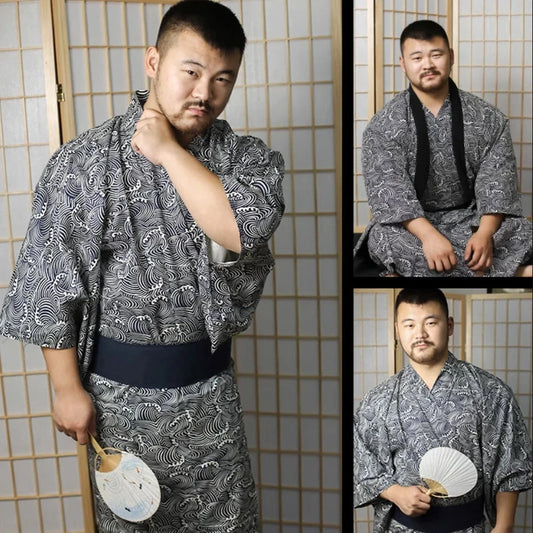
Yukata
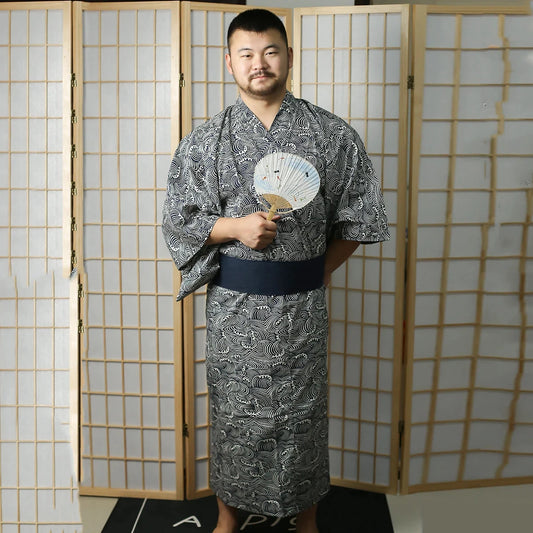
Casual cotton summer kimono. Summer festivals, hot springs, home wear.
🔷
Komon
Small repeated pattern. Most versatile everyday kimono.
🪶
Haori
Hip-length kimono jacket. Layered over kimono or Western clothes.
⛩️
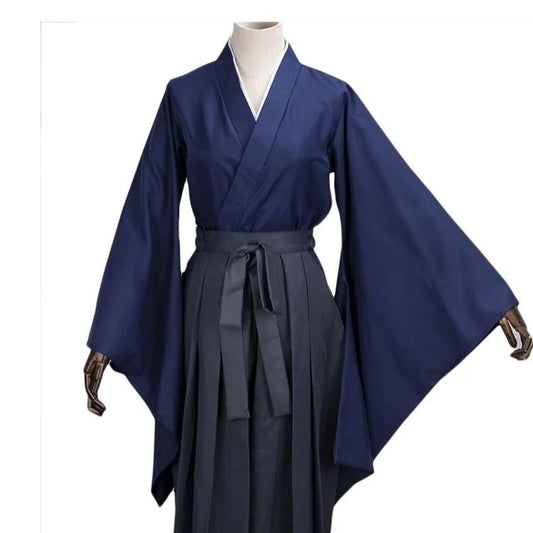
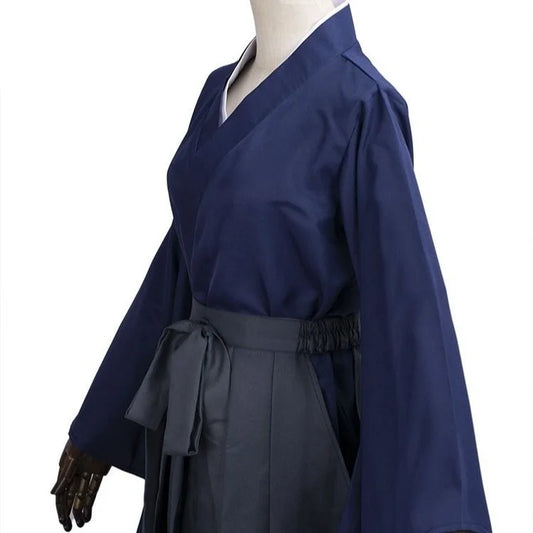
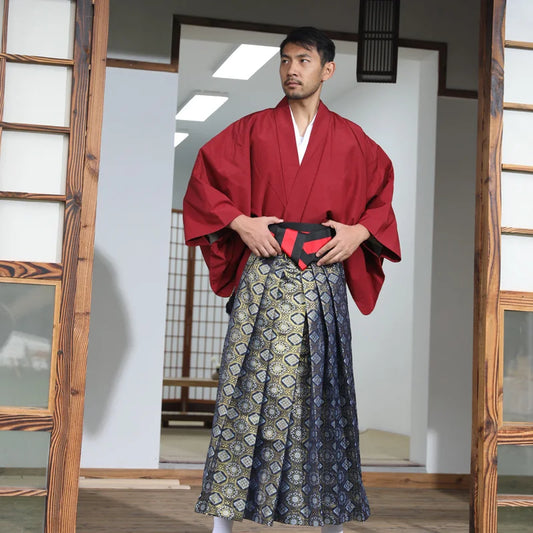
Hakama
Wide-leg formal trousers worn over kimono. Graduation ceremonies & martial arts.
Modern Western Kimono Styles
For Western buyers, the most popular and accessible Japanese-inspired garments are:
- Kimono robe / bath robe: A simplified yukata/kimono hybrid for home wear
- Haori jacket / kimono cardigan: The most wearable everyday piece
- Yukata: The most authentic traditional option for summer
- Hakama pants: Wide-leg trousers inspired by traditional hakama
How many types of kimono are there?
There are over 20 distinct types of Japanese kimono, varying by formality, sleeve length, pattern, and occasion. The main types are furisode (formal unmarried women), tomesode (formal married women), houmongi (semi-formal), komon (casual), and yukata (summer casual).
What is the most popular type of kimono?
For traditional Japanese wear, the houmongi (semi-formal visiting kimono) and yukata (summer casual) are most commonly worn. For Western fashion, the haori jacket and silk kimono robe are most popular.
Explore our Japanese kimono collection
Explore Now →
Tags:
Previous
Samurai Kimono: Authentic Japanese Warrior Robes
Next
Japanese Kimono Colors: Meaning & Symbolism