Samurai Kimono: Authentic Japanese Warrior Robes
```html
Samurai Kimono: Authentic Japanese Warrior Robes | kimono-japanese.com
```
Samurai Kimono: Authentic Japanese Warrior Robes
Step back in time and delve into the fascinating world of the Samurai, Japan's legendary warrior class. While often depicted with their formidable swords, the attire of these historical figures was equally significant. Among their most iconic garments were the Samurai Kimono, more accurately referred to as kosode or hakama ensembles, which were far more than just clothing – they were symbols of status, honor, and martial prowess.
At kimono-japanese.com, we celebrate the enduring legacy of Japanese culture, and the Samurai Kimono holds a special place. Let's explore what made these robes so distinctive and why they continue to captivate us today.
The Evolution of Samurai Attire
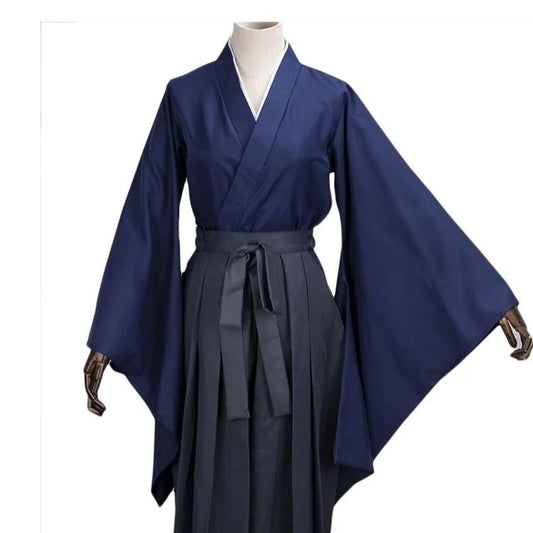
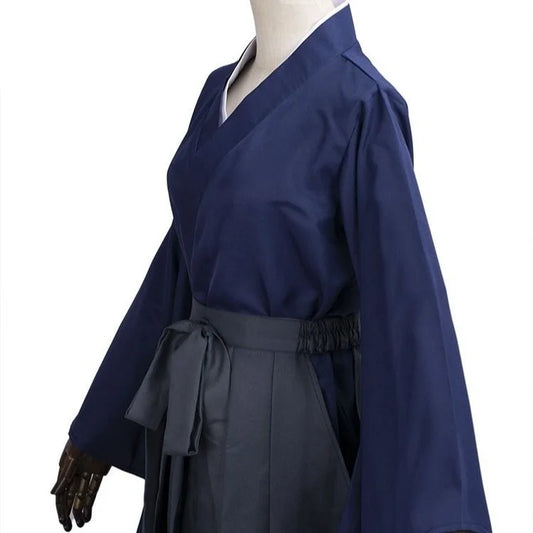
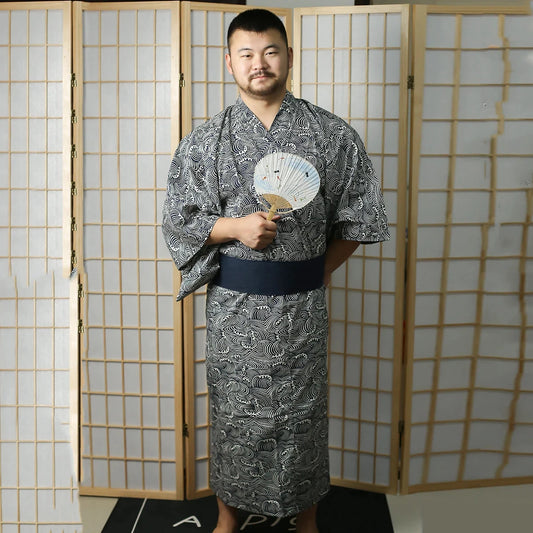
The concept of a "Samurai Kimono" as a singular garment is a modern simplification. Historically, Samurai wore a layered ensemble that evolved over centuries. During the feudal era, their daily wear often consisted of a kosode (a short-sleeved kimono that became the basis for the modern kimono) worn with hakama (wide, pleated trousers or a skirt-like garment). This practical combination allowed for freedom of movement, essential for combat and training.
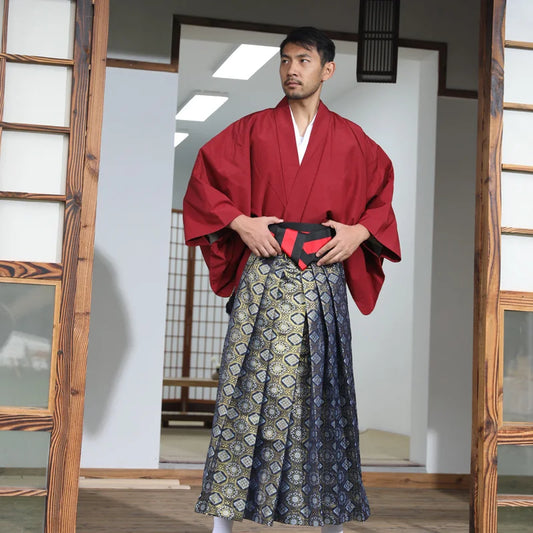
For formal occasions or when representing their lord, Samurai would don more elaborate attire, including kamishimo – a formal suit consisting of a kataginu (a sleeveless, stiffened jacket with padded shoulders) and hakama. The fabrics, colors, and patterns of these garments were strictly regulated by social hierarchy, conveying the wearer's rank and affiliation.
Craftsmanship and Symbolism
The creation of Samurai Kimono was a testament to the exquisite craftsmanship of Japanese artisans. Skilled weavers and dyers used techniques passed down through generations to produce fabrics of exceptional quality. Common materials included silk, hemp, and cotton, often dyed with natural pigments. Patterns were not merely decorative; they carried deep symbolic meanings.
Motifs like dragons, tigers, cranes, and pine trees were frequently used, each representing strength, longevity, good fortune, or loyalty. The colors also held significance; for instance, deep blues and greens were common for practicality and to signify a connection to nature, while bolder colors might be reserved for ceremonial wear.
Beyond the Battlefield: The Cultural Significance
While designed for practicality and intimidation on the battlefield, Samurai Kimono also played a crucial role in defining Samurai identity and social standing. The way a Samurai wore their robes, the quality of the fabric, and the chosen patterns all communicated their status, wealth, and adherence to Bushido, the code of the warrior.
Even in times of peace, the Samurai maintained a distinct sartorial presence. Their attire was a constant reminder of their role as protectors and enforcers of order. The discipline and precision with which they wore their garments mirrored the discipline and precision required in their martial arts.
Experience the Legacy at kimono-japanese.com
While authentic historical Samurai Kimono are rare and highly prized artifacts, the spirit and aesthetic of these warrior robes continue to inspire. At kimono-japanese.com, we offer a curated selection of high-quality Japanese kimonos and related apparel that capture the elegance, tradition, and understated power reminiscent of Samurai attire. Explore our collection and bring a piece of Japan's rich cultural heritage into your life.
Discover the enduring allure of Japanese textiles and the stories they tell. Shop now at kimono-japanese.com.
Tags:
Previous
Anime Kimono Fashion: Japanese Style Guide
Next
Japanese Kimono Types: A Comprehensive Guide